
Why Sydney Property Managers Are Investing in Parking Automation
Parking rarely receives much attention when everything is working properly.
When it is not, property managers hear about it quickly.
Unauthorised vehicles take allocated bays. Tenants share access cards. Visitors cannot get through the gate. Staff spend time updating permits and investigating complaints. In properties with casual or guest parking, there is also the question of whether the car park is generating the revenue it could.
For Sydney property managers, these issues are becoming harder to manage with systems built around physical tickets, swipe cards and manual processes.
That is why parking automation is increasingly being viewed as more than an access-control upgrade. Done properly, it can improve how a property is managed, create new revenue opportunities and give operators better control over a valuable part of the asset.
Key Insight
The business case for parking automation is strongest when it solves a property problem, whether that is creating revenue from previously unmanaged parking, enforcing tenant allocations or reducing day-to-day administration.
Parking Is Part of the Property Asset
A car park is valuable property.
Yet it is sometimes managed more like a utility than an asset.
For commercial and mixed-use properties, that can mean parking spaces are underutilised, tenant allocations are difficult to enforce or casual parking is available without a clear way to monetise it.
Hotels face a similar issue. Parking may be available for guests, but without a structured system it can remain unmanaged or simply be absorbed into the broader cost of operating the property.
Modern parking automation gives managers more control over how that space is used.
Depending on the site, the system can distinguish between:
- Tenants with allocated bays
- Employees and contractors
- Hotel guests
- Visitors
- Casual paid parkers
- Other authorised vehicles
That allows parking rules to reflect the commercial requirements of the property rather than relying on the same access process for everyone.
Mercure Brookvale and Macquarie Park: Turning Parking Into Revenue
The Mercure projects at Brookvale and Macquarie Park demonstrate the commercial side of parking automation particularly well.
At both sites, parking that had previously been unmanaged or unmonetised became a new revenue stream for the hotels.
The process is straightforward.
Guests are charged a fixed per-night parking rate when they check in, alongside their room. They provide their vehicle number plate, which then becomes their parking credential for the duration of the stay.
Once registered, the guest can use the boom gate without needing a separate parking ticket or physical access card.
For the hotel, parking becomes a defined line item associated with the booking rather than an unmanaged facility sitting outside the guest transaction.
That is an important distinction.
Parking automation is often discussed in terms of saving staff time, and there is an administrative benefit here. But the stronger commercial outcome is that an existing property asset can now generate revenue in a structured way.
The client has confirmed this approach is operating across two Mercure sites, Brookvale and Macquarie Park, which also demonstrates that the model can be repeated rather than being specific to a single property.
ANPR Removes the Need for Separate Parking Credentials
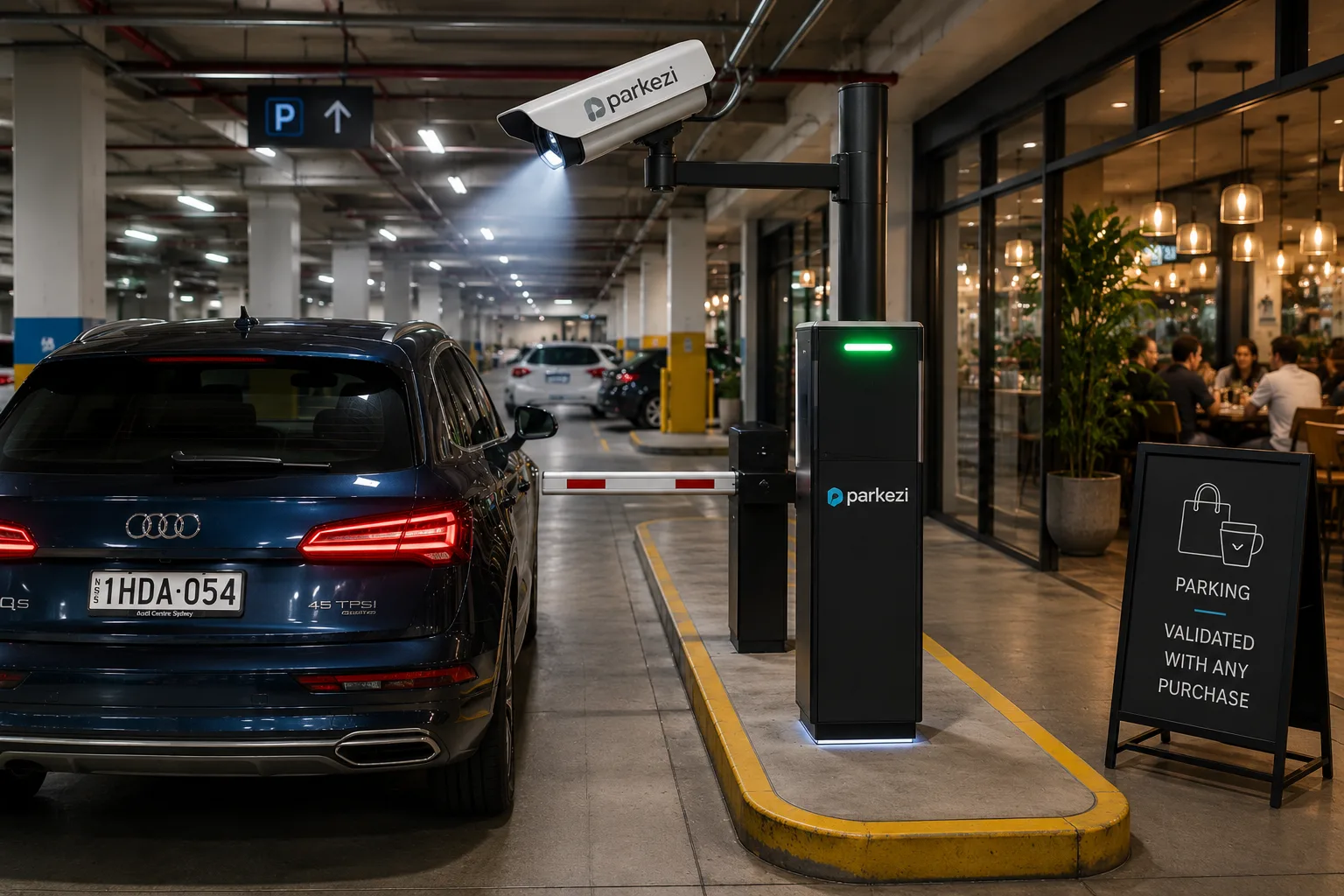
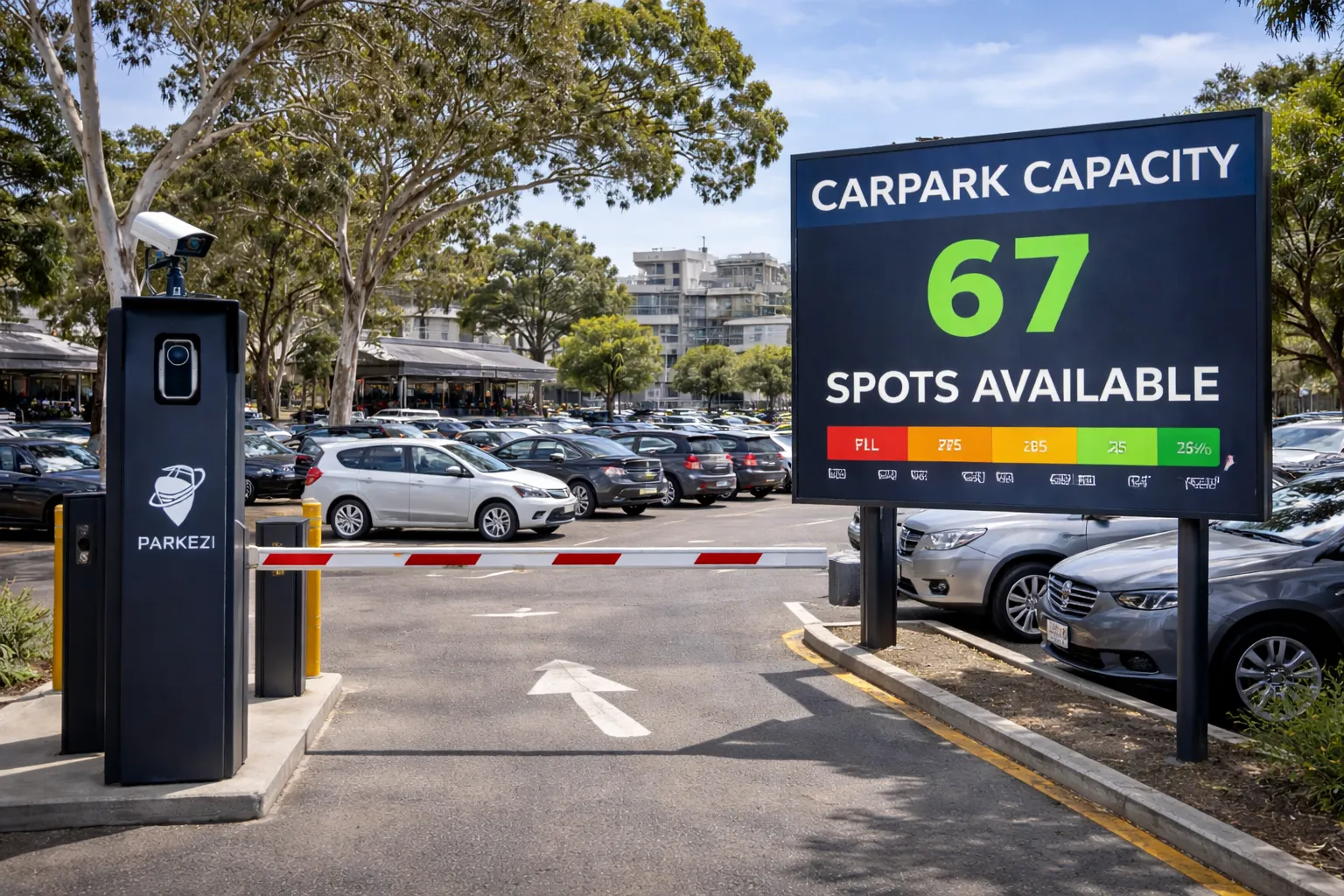
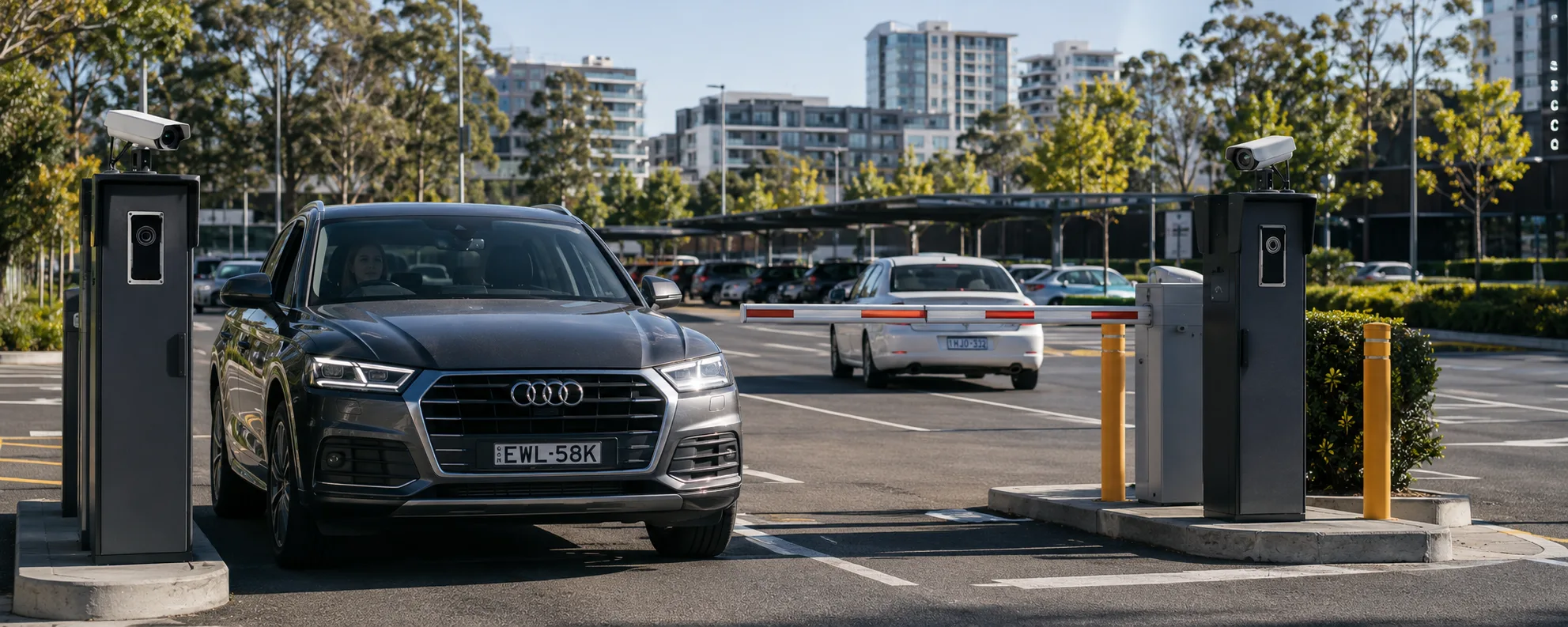
Automatic Number Plate Recognition, or ANPR, allows the vehicle itself to become the access credential.
Instead of giving a tenant, visitor or guest something they need to carry, the system recognises the registration plate as the vehicle approaches.
This can reduce reliance on:
- Swipe cards
- Remotes
- Paper permits
- Parking tickets
- Manual gate access
For property managers, the advantage is not simply convenience.
Vehicle permissions can be managed digitally, and access activity can be recorded by the system. That gives managers greater visibility over who is using the car park and how access is being allocated.
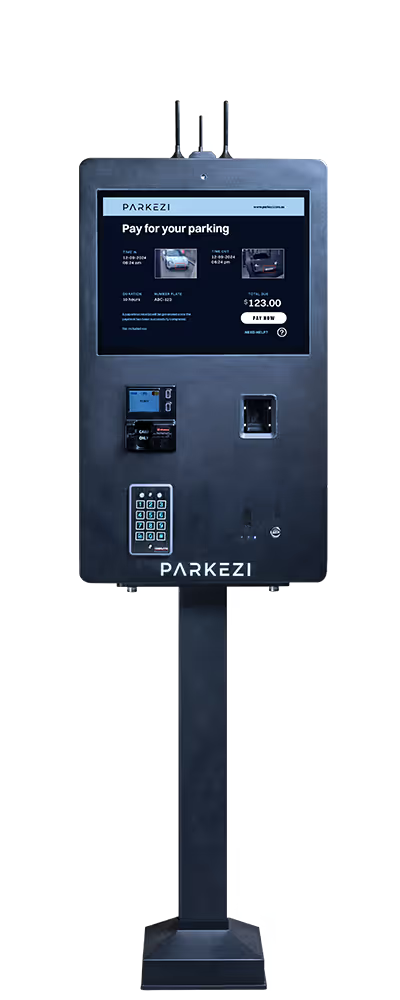
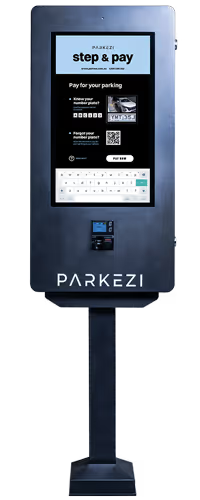
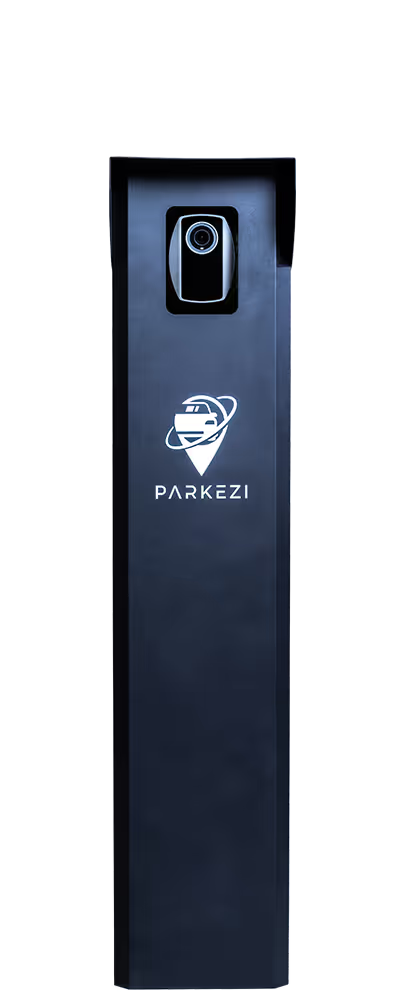
Parkezi's parking automation systems combine ANPR with access control and cloud-based management for sites requiring this level of control.
Liverpool: When Property Managers Cannot Enforce Tenant Allocations
Hotels provide a useful example of revenue generation, but commercial property managers often face a different problem: ensuring tenants use only the parking they are allocated.
A Parkezi project in Liverpool demonstrates the issue.
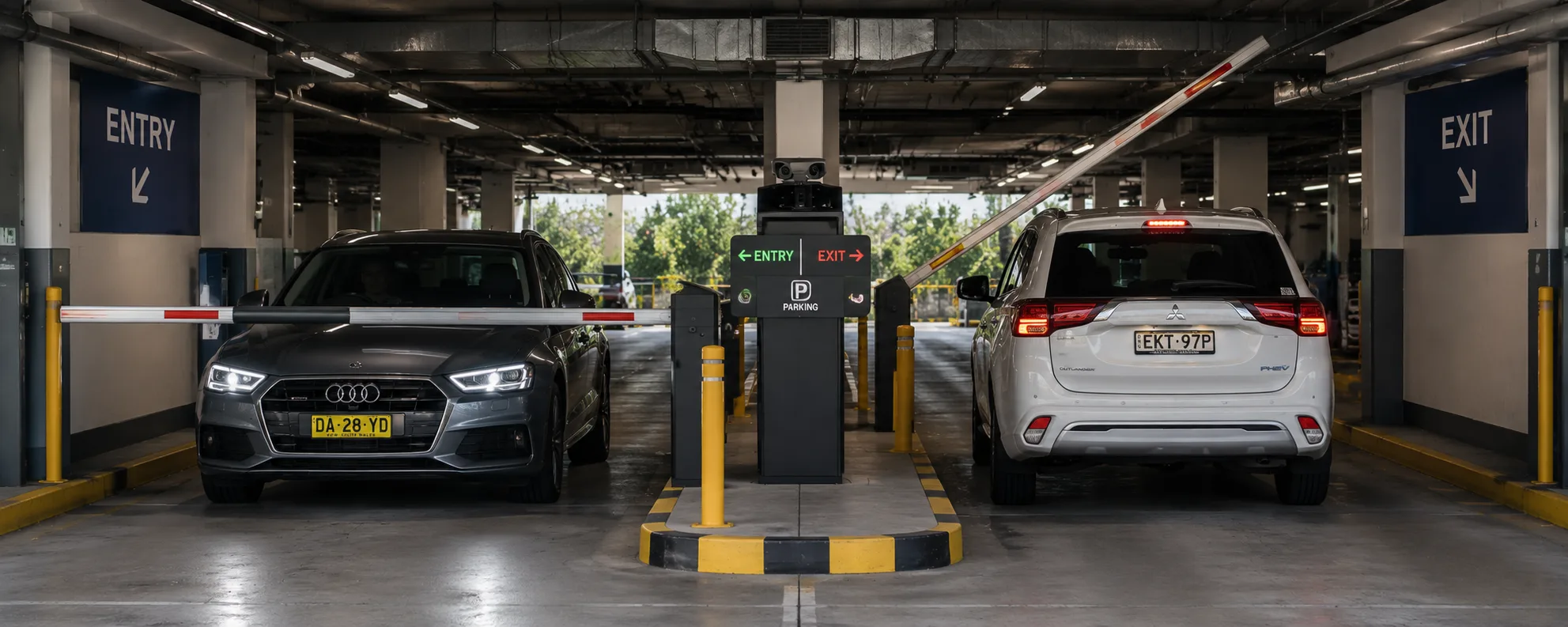
The car park serves more than 30 businesses and previously operated using swipe cards. The problem was that those cards were being systematically shared.
A business with three allocated bays could share one swipe card between employees and bring significantly more vehicles into the facility. In the example supplied by the client, a tenant with three bays could bring in as many as ten vehicles.
Those vehicles then occupied spaces intended for other businesses.
From the property manager's perspective, the problem was not simply unauthorised access. The people using the cards may have worked for legitimate tenants.
The problem was that the system could not enforce the parking allocation attached to each tenancy.
This is where digital parking management becomes valuable. It gives property managers the ability to manage parking around actual vehicle permissions and allocation rules rather than relying solely on transferable physical credentials.
Reducing the Everyday Administration Around Parking
Revenue and allocation control are strong reasons to automate, but the administrative benefit should not be overlooked.
Traditional parking management creates numerous small tasks.
A staff member changes cars.
A tenant loses a remote.
A visitor needs temporary access.
A card needs to be cancelled.
A new employee requires parking.
None of these tasks is particularly difficult. The issue is how often they occur.
Across a large property or portfolio, managing physical credentials can become a continuous workload.
Digital parking management moves more of this administration into a central system. Vehicle permissions can be changed without necessarily issuing or recovering another physical item.
For property teams already responsible for building operations, tenants, contractors and maintenance, removing repetitive parking tasks can free up useful time.
Better Parking Can Improve the Property Experience
Parking is often the first interaction someone has with a property.
A tenant arriving at work, a guest checking into a hotel or a visitor attending a meeting all experience the car park before they reach the building itself.
If access is confusing or unreliable, the property experience starts badly.
The best automated parking experiences are usually uneventful. The authorised vehicle approaches, the system recognises it and the driver continues.
That simplicity is valuable.
For commercial property managers, reliable access can reduce tenant frustration. For hotels, it removes an unnecessary step from the guest journey. For mixed-use sites, different groups can be managed under different rules without requiring every driver to understand what is happening behind the scenes.
Cloud Management Gives Property Teams Better Visibility
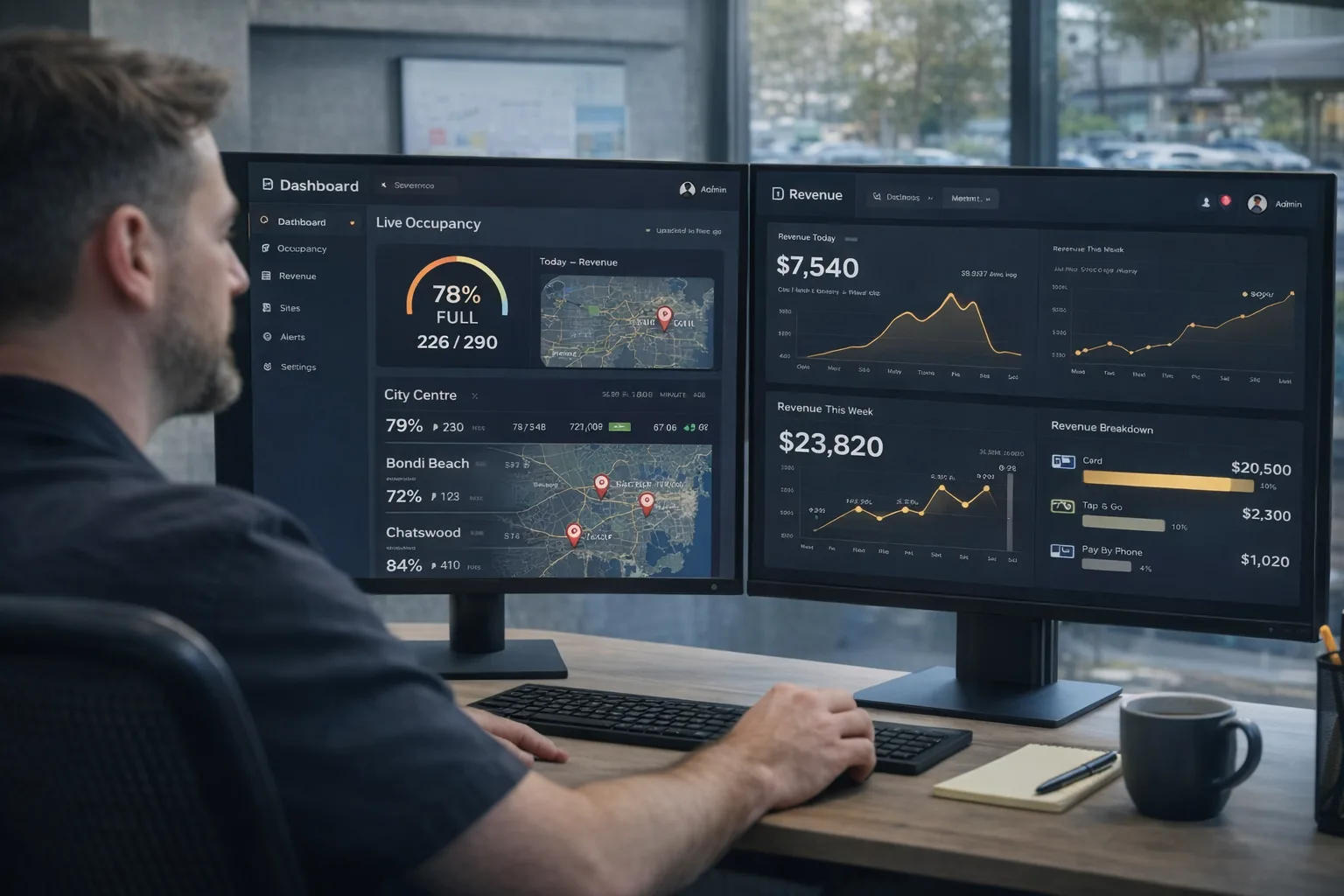
Parking automation also changes what property managers can see.
Instead of relying entirely on physical credentials and manual observations, cloud-based systems can provide visibility over areas such as:
- Vehicle access
- User permissions
- Parking activity
- Occupancy patterns
- System performance
The exact information available depends on how the site is configured, but the principle is important.
A property manager can make better decisions when parking activity is visible rather than assumed.
This becomes particularly useful for multi-site operators, where a central management approach can provide greater consistency across different properties.
Building the Business Case for Parking Automation
The right business case depends on the problem at the property.
For a hotel, Mercure demonstrates that the opportunity may be creating a new parking revenue stream.
For a multi-tenant commercial building, Liverpool demonstrates that the priority may be enforcing allocations and preventing credential misuse.
Another property may be primarily concerned with reducing visitor administration or replacing ageing parking hardware.
Before investing, property managers should therefore ask:
- Is parking currently generating the revenue it should?
- Can tenant allocations actually be enforced?
- How much staff time is spent managing credentials?
- Are unauthorised vehicles creating disputes?
- Is the current system scalable as the property changes?
- Does parking create unnecessary friction for tenants or visitors?
The answers help determine whether automation is solving a real commercial problem rather than simply replacing one piece of technology with another.
Key Takeaways
- Parking should be treated as part of the property asset, not simply an access point.
- Parking automation can create revenue as well as reduce administration.
- At Mercure Brookvale and Macquarie Park, a fixed per-night parking charge is collected at check-in and the guest's number plate provides access for the stay.
- ANPR reduces reliance on transferable physical credentials.
- The Liverpool project shows how swipe-card sharing can make tenant parking allocations difficult to enforce.
- Cloud-based management provides property teams with greater visibility over parking activity.
- The strongest business case starts with the property's actual operational or commercial problem.
Related Reading
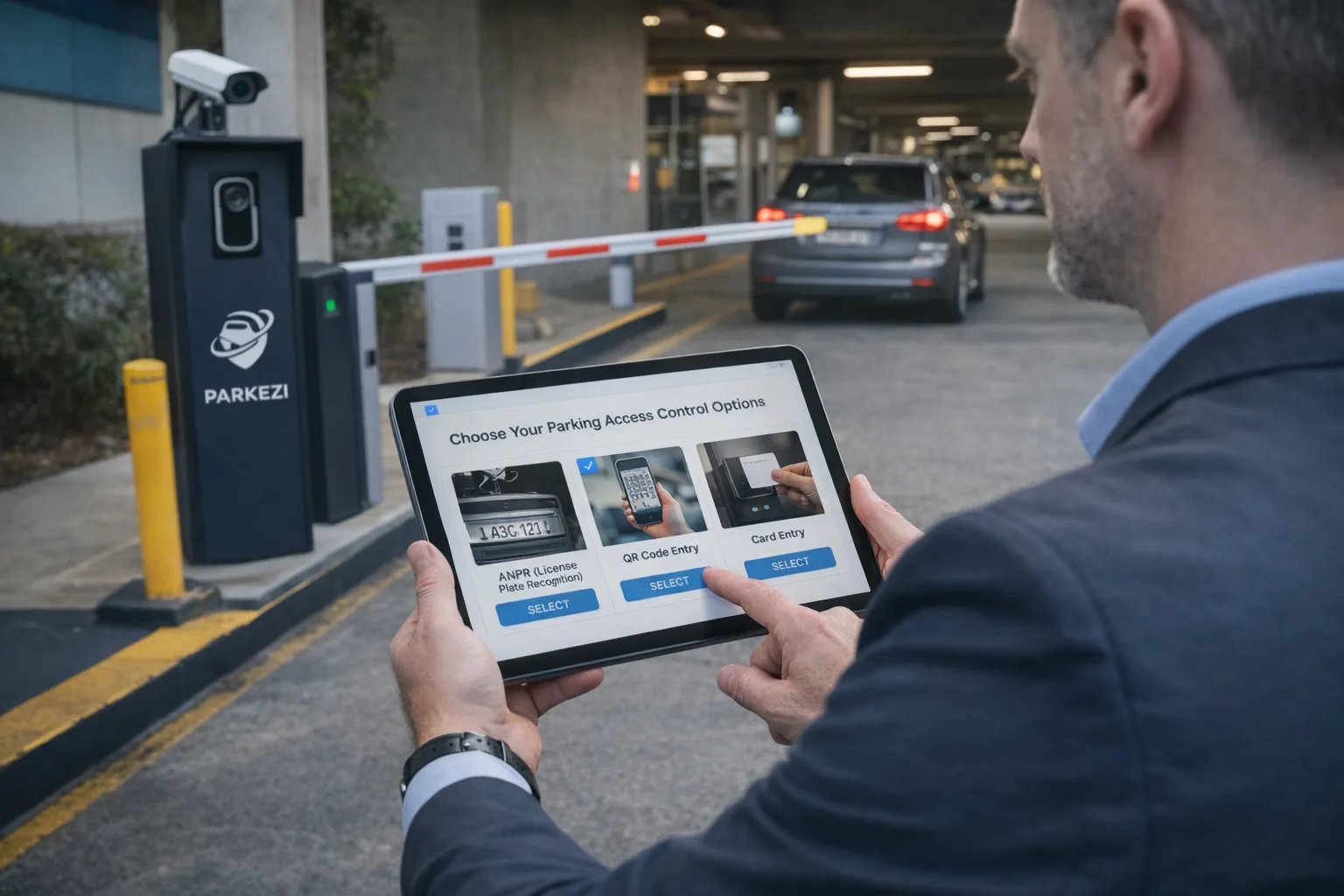
For a closer look at selecting access technology, read How to Choose the Right Parking Access Control System for Your Site.
You can also explore Parkezi's parking automation systems or learn what is involved in parking system installation.
Frequently Asked Questions
Can parking automation create additional revenue for a property?
Yes. Where parking is currently unmanaged or unmonetised, automation can provide the structure needed to introduce paid parking. At Mercure Brookvale and Macquarie Park, parking is charged at a fixed nightly rate alongside the guest's room.
Is ANPR only useful for paid public parking?
No. ANPR can also be used for tenant access, staff parking, hotel guests and other authorised vehicle groups. The value comes from linking parking permissions directly to vehicles.
Can parking automation help enforce tenant bay allocations?
Yes. Digital access and quota rules can provide more control than transferable swipe cards or remotes, particularly in multi-tenant commercial properties.
Making Parking Work Harder for the Property
Parking automation should not be introduced simply because the technology is newer.
The question for property managers is whether the existing car park is performing as well as it could.
At the Mercure sites, the opportunity was turning previously unmanaged parking into a structured revenue stream. At Liverpool, the problem was enforcing parking allocations across more than 30 businesses. Both required different outcomes from the parking system.
That is why the right starting point is the property problem, not the product.
If you are reviewing parking across a Sydney commercial, residential, hospitality or mixed-use property, contact Parkezi to discuss where automation could improve revenue, access control or day-to-day management.