

How Ticketless Parking Validation Works for Retail and Hospitality Sites
Parking validation has traditionally involved a surprisingly physical process.
A customer parks, collects a paper ticket, visits a restaurant, hotel or retail business, then asks a staff member to stamp, scan or validate the ticket before returning to the car park.
It works, but it creates extra steps for everyone involved.
Customers need to remember their ticket. Staff need access to the validation process. Lost tickets create another problem to resolve. In a mixed-use property, things become even more complicated when residents, hotel guests, staff and casual visitors all have different parking rules.
Ticketless parking validation takes a different approach.
Instead of relying on a paper ticket, the system uses the vehicle's number plate to identify the parking session. That parking record can then be connected with the customer's transaction, booking or other validation method.
The result is a parking experience that can accommodate different users without asking everyone to follow the same process.
Key Insight
The real benefit of ticketless parking validation is not simply removing paper tickets. It is allowing different businesses and user groups to apply their own parking rules within the same car park.
Why Traditional Parking Validation Creates Friction
Parking validation sounds simple until you consider what needs to happen behind the scenes.
A restaurant might offer free parking to customers who spend over a certain amount. A hotel may include parking with selected bookings. Residents may have permanent access, while members of the public need to pay the standard casual rate.
With a ticket-based system, each of these rules needs a process.
Customers may need to:
- Collect and keep a paper ticket
- Take it into the venue
- Ask a staff member for validation
- Return to a payment station
- Insert or scan the validated ticket
- Complete any remaining payment before leaving
For the business, staff need to understand who qualifies, how validation works and what to do when a ticket is lost or the process fails.
Ticketless parking removes much of this physical interaction by linking the parking session to the vehicle instead.
How Ticketless Validation Works
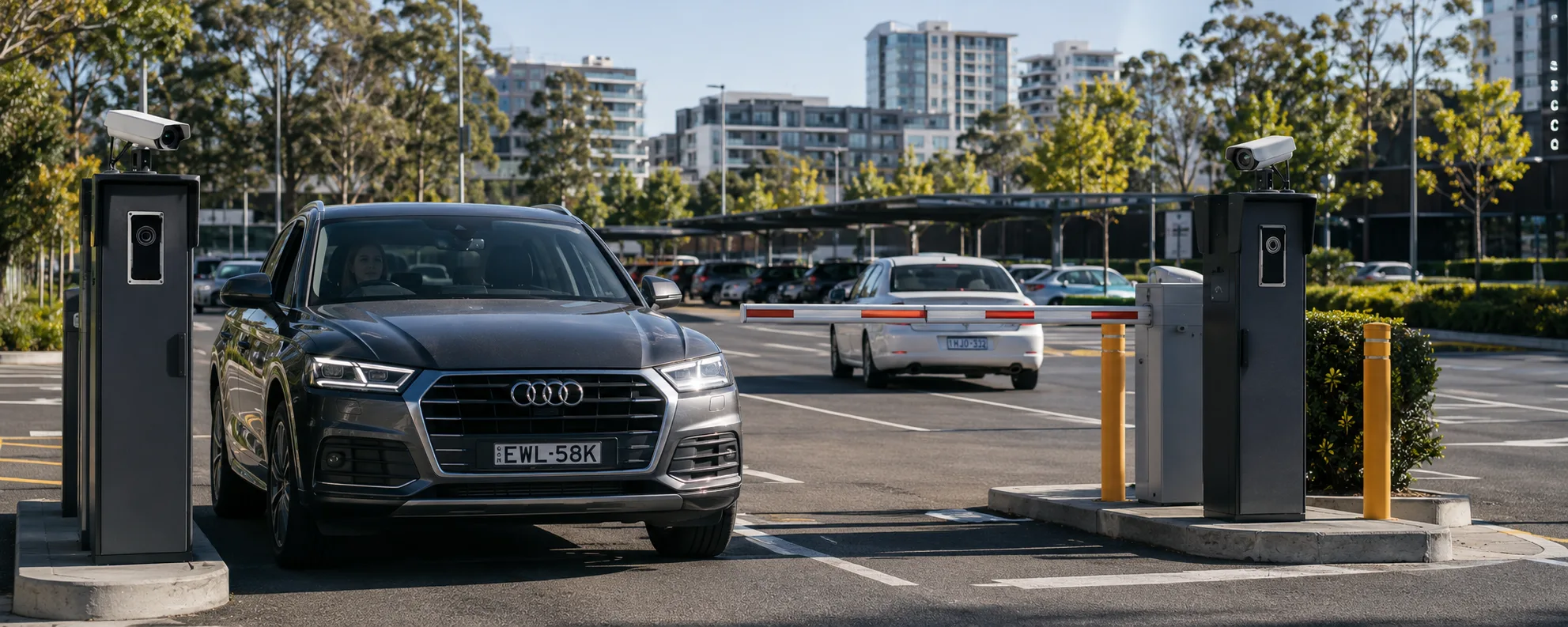
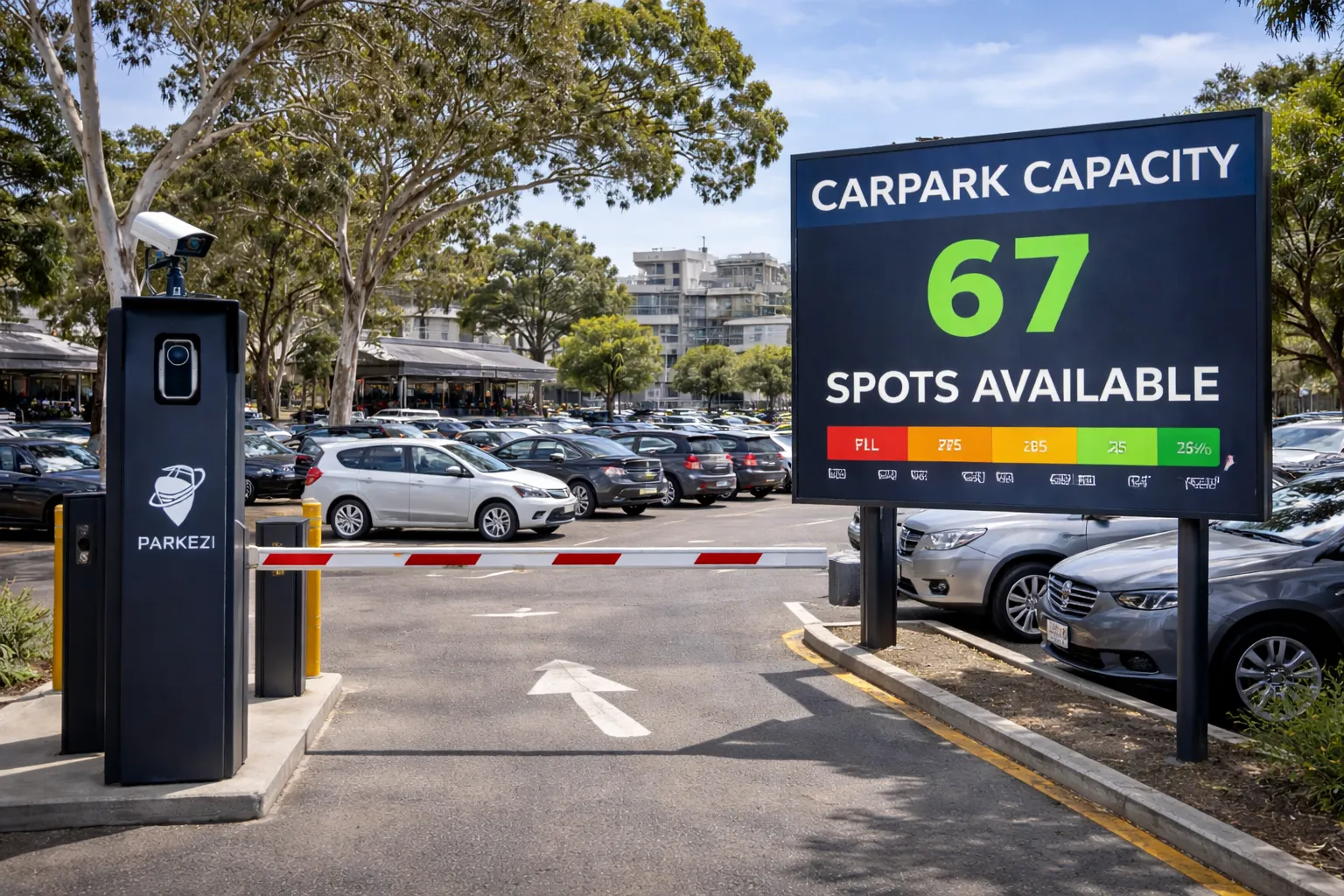
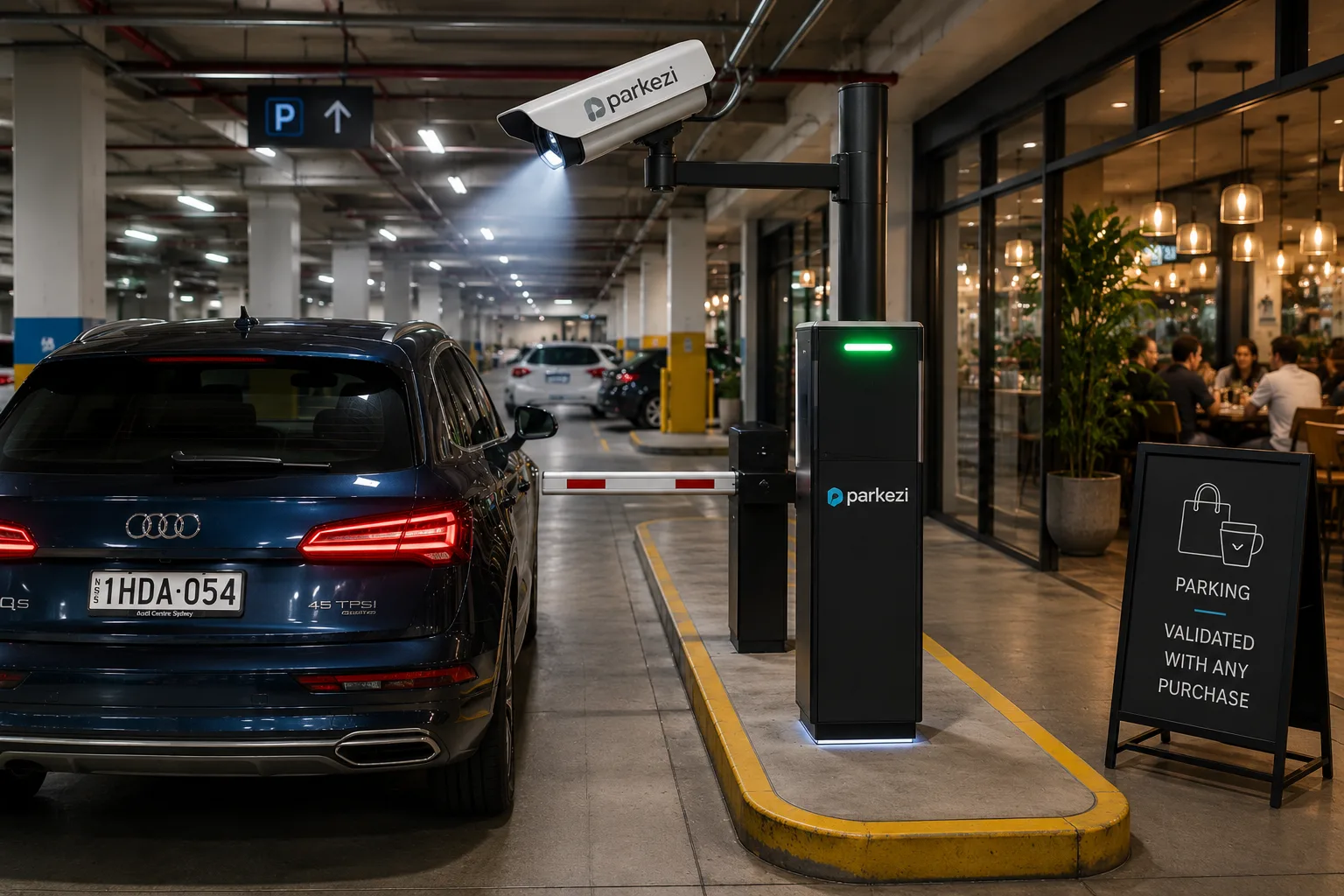
Automatic Number Plate Recognition, or ANPR, records a vehicle's number plate when it enters the car park.
The vehicle registration becomes the identifier for that parking session.
From there, validation can be applied according to the site's requirements.
Depending on the property, this could involve:
- Hotel reception validating a guest
- A restaurant applying parking based on customer spend
- Residents being automatically recognised
- Staff receiving predefined access
- Casual users paying the standard parking rate
The important difference is that the driver does not need to carry a physical ticket through the process.
The system already knows when the vehicle entered. The validation determines what parking rule should apply when it leaves.
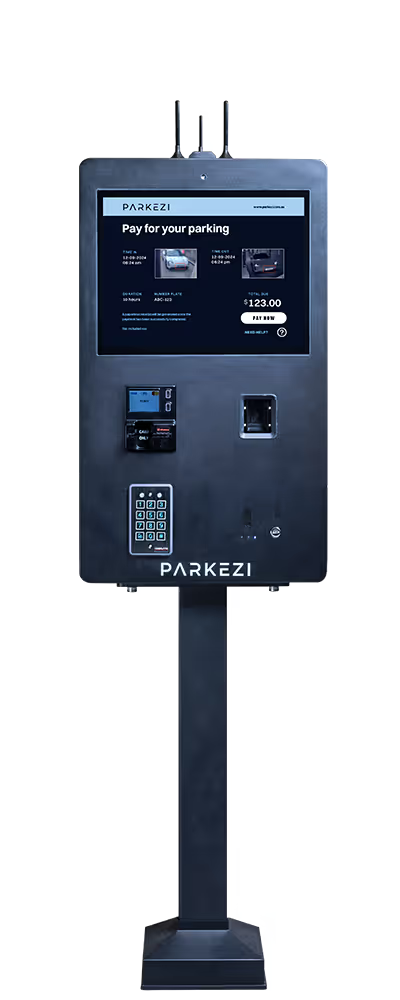
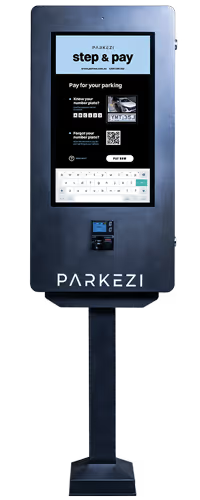
Parkezi's parking automation systems can combine ANPR, access control and payment processes within this type of environment.
Northies Hotel and Quest Apartments: One Car Park, Different Users
The Northies Hotel and Quest Apartments project in Cronulla provides a strong example of why this matters.
The site needed to accommodate several user groups within the same parking environment, including:
- Quest residents and guests
- Northies Hotel customers
- Staff
- Businesses
- Members of the public
Each group had different requirements.
Trying to manage all of them through the same ticket-based process would create unnecessary complexity.
Instead, the Parkezi system allows parking rules to be applied according to who is using the facility.
Residents and other authorised users can be managed through vehicle registration and access permissions.
Hotel and hospitality customers can have parking validated according to the rules established by the venue.
Public users can still access the facility under the standard paid parking arrangement.
The result is one car park supporting several different parking experiences without requiring separate physical systems for each user group.
Restaurant POS Integration Changes the Validation Process
One of the most distinctive parts of the Northies project is the integration between parking validation and the restaurant's point-of-sale system.
Traditionally, a customer who qualifies for parking validation might need to present a parking ticket to a staff member and ask for it to be stamped or processed separately.
At Northies, the validation can instead be connected to the restaurant transaction.
The client describes the process as follows: if a customer spends $50 in the restaurant, they receive two hours of free parking.
The customer does not need to carry a paper parking ticket.
Their parking session can be validated through the hospitality transaction, allowing the parking benefit to become part of the customer experience rather than a separate process.
That is a meaningful difference for both the customer and the venue.
Staff do not need to manage piles of tickets or operate a disconnected validation process. Customers receive the parking benefit associated with their visit without having to understand the technology behind it.
Different Businesses Can Apply Different Parking Rules
Mixed-use properties often struggle with parking because different businesses want different outcomes.
A restaurant may want to reward customers with free parking after a qualifying purchase.
A hotel may want to provide parking as part of a guest stay.
A commercial tenant may require allocated staff access.
Residents may need unrestricted entry for registered vehicles.
Casual visitors may simply need a convenient way to pay.
A ticketless system can manage these groups under different rules while still using the same physical car park.
This makes the parking facility more adaptable to the commercial needs of the property.
Rather than forcing every business into one parking model, the system can support the way each part of the site actually operates.
Why This Matters for Customer Experience
Parking validation should feel like a benefit.
If claiming that benefit requires several additional steps, some of its value is lost.
A restaurant customer who has just finished a meal should not need to remember whether they left their parking ticket in the car.
A hotel guest should not have to understand a complicated payment process simply to leave the property.
Ticketless parking helps move these interactions into the background.
For the customer, the ideal experience is straightforward:
They arrive. They visit the venue. The appropriate parking rule is applied. They leave.
That simplicity is particularly valuable in hospitality, where the parking experience contributes to the overall impression of the venue.
Ticketless Does Not Always Mean Contactless
It is also useful to distinguish between ticketless and contactless parking.
The terms are related, but they describe different parts of the experience.
Ticketless parking removes the physical paper ticket.
Contactless parking reduces or removes physical touchpoints during access and payment.
A system can therefore be ticketless while still allowing a driver to pay by card at a terminal. It can also combine ticketless identification with contactless payment methods such as mobile or digital payments.
For retail and hospitality operators, understanding this distinction helps when designing the right customer journey.
The objective should be to remove the interactions that create unnecessary friction rather than simply adopting technology for its own sake.
Better Control for Operators
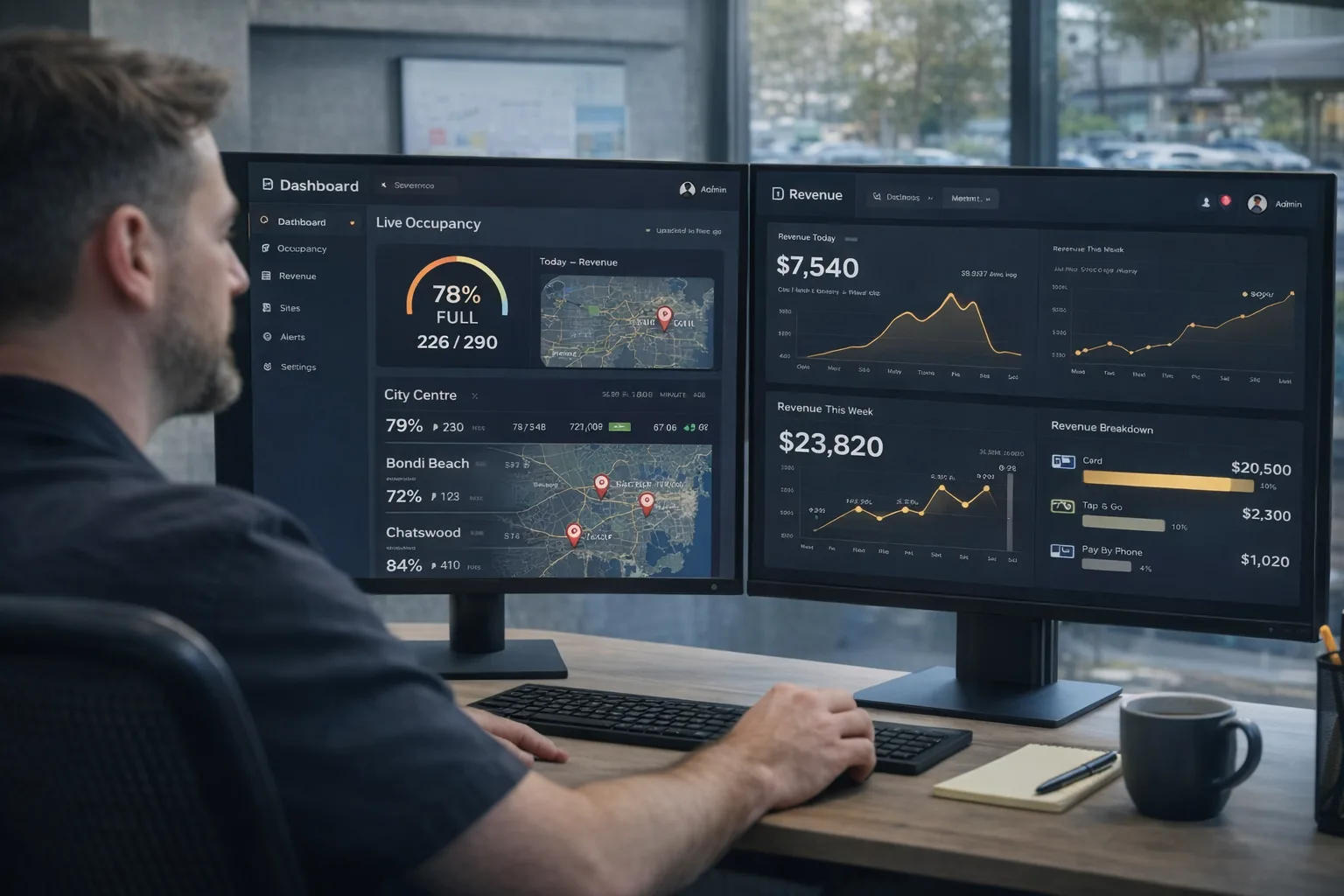
Ticketless validation also provides operators with greater visibility.
Instead of relying on physical tickets moving between the car park and individual businesses, parking activity can be managed digitally.
Depending on the system configuration, operators can see information relating to:
- Vehicle entry and exit
- Validation activity
- Different user groups
- Parking permissions
- Payment status
This makes it easier to understand how the car park is being used and whether the validation rules are working as intended.
For mixed-use properties, that visibility is particularly useful because several businesses may depend on the same parking infrastructure.
Key Takeaways
- Ticketless parking validation uses the vehicle's number plate instead of a paper ticket to identify the parking session.
- Different user groups can have different parking rules within the same facility.
- Northies Hotel and Quest Apartments manage hotel, hospitality, residential, business, staff and public parking within one environment.
- At Northies, customers who spend $50 in the restaurant can receive two hours of free parking through the venue's validation process.
- Integrating parking with hospitality transactions reduces the need for separate paper-ticket validation.
- Ticketless and contactless parking are related but distinct concepts.
- Digital validation can simplify the customer experience while giving operators greater control over parking rules.
Related Reading
Explore Parkezi's parking automation systems to see how ANPR, payments and access control can work together.
For businesses considering an upgrade from traditional parking equipment, learn more about Parkezi's parking system installation process.
You can also explore Parkezi's completed parking projects to see how different sites have approached parking automation.
Frequently Asked Questions
What is ticketless parking validation?
Ticketless validation identifies the parking session through the vehicle's number plate rather than a paper ticket. A hotel, restaurant or other business can then apply the relevant parking benefit digitally.
Can restaurants offer free parking based on customer spend?
Yes, where the parking and point-of-sale systems are configured to support it. At Northies, the client has confirmed that customers spending $50 in the restaurant can receive two hours of free parking.
Can one car park have different rules for different businesses?
Yes. A ticketless parking system can apply different access, payment and validation rules to residents, hotel guests, staff, customers and casual parkers within the same facility.
Is ticketless parking the same as contactless parking?
No. Ticketless means there is no physical paper parking ticket. Contactless refers to reducing physical interaction during access or payment. A parking system can incorporate both.
Making Parking Validation Part of the Customer Experience
For retail and hospitality businesses, parking should support the customer experience rather than interrupt it.
The Northies Hotel and Quest Apartments project demonstrates what becomes possible when parking is connected with the way the businesses on site actually operate.
Instead of asking every driver to follow the same ticket process, different rules can be applied to different users. Restaurant customers can receive parking benefits through their visit, hotel and residential users can have appropriate access, and casual users can still pay for parking normally.
That is where ticketless parking validation becomes more valuable than simply removing paper.
It allows the parking system to work around the customer journey.
If you manage a hotel, restaurant, retail destination or mixed-use property and want to simplify parking validation, contact Parkezi to discuss how ticketless parking can be configured around your site's customers and operating model.