
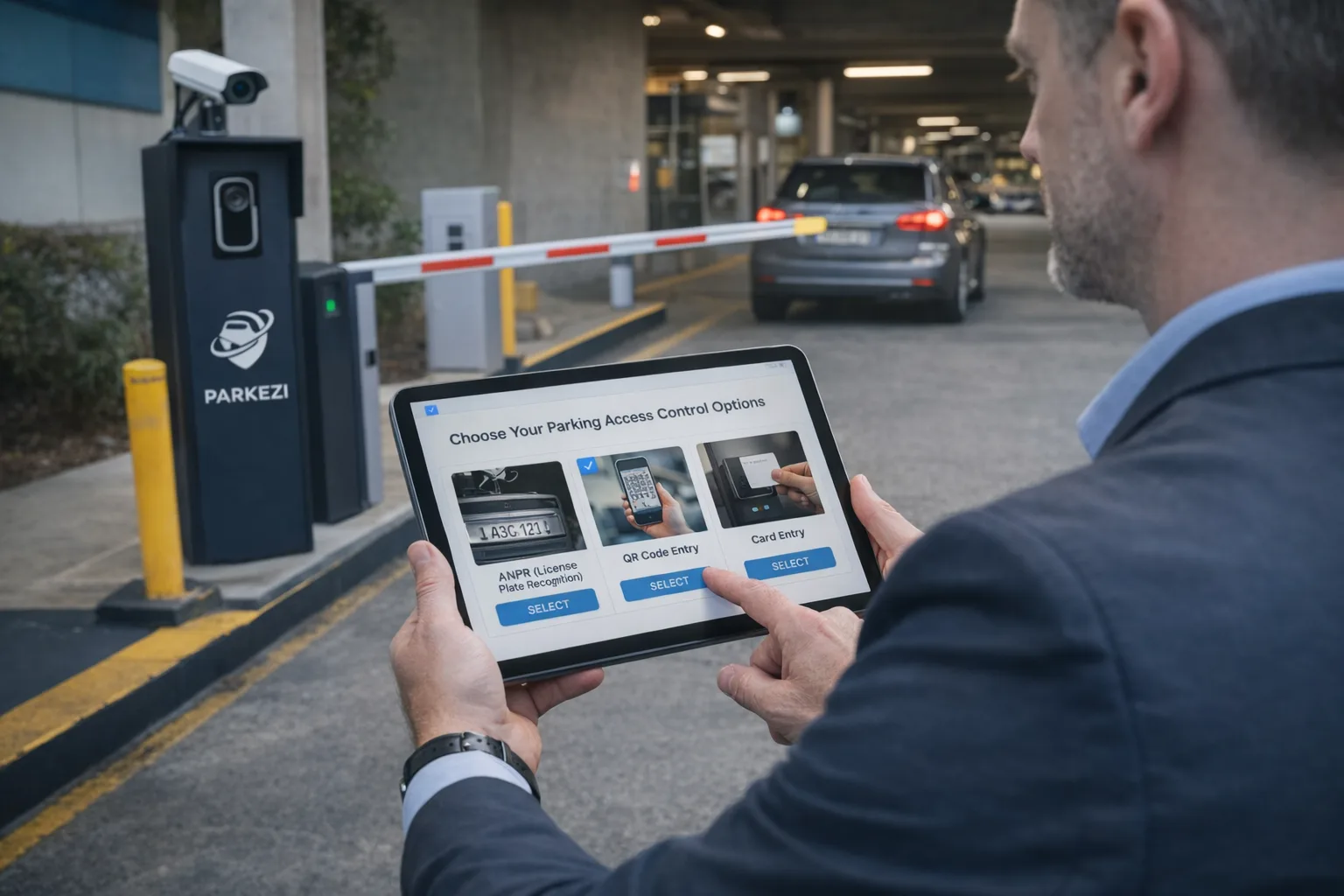
How to Choose the Right Parking Access Control System for Your Site
Choosing a parking access control system can look straightforward until you start comparing what different sites actually need.
A small residential building with 20 regular vehicles has very different requirements from a commercial property shared by dozens of businesses. A hotel needs to manage guests differently from staff, while a high-security facility may be more concerned about unauthorised vehicles and tailgating than payment.
That is why choosing the right system should start with the site, not the technology.
Swipe cards, fobs, ANPR cameras, boom gates and cloud-based management platforms all have their place. The challenge is working out which combination provides the right balance of security, convenience and long-term management for your property.
Key Insight
The best parking access control system is not automatically the most advanced. It is the one that solves your site's specific access and security problems without creating unnecessary complexity.
Start With How Your Car Park Is Actually Used
Before comparing products, understand who needs access and how frequently they use the facility.
Consider:
- How many vehicles enter each day?
- What happens during peak periods?
- Are users permanent tenants, staff, visitors or casual parkers?
- Do different users have different access rights?
- Are parking bays allocated to individual tenants?
- Does the site operate outside staffed hours?
- How serious are the consequences of unauthorised access?
These questions help define what the system actually needs to do.
For example, a residential property with a small, stable group of users may not need the same technology as a multi-tenant commercial building where hundreds of vehicles and changing access permissions need to be managed.
Cards and Fobs Versus ANPR
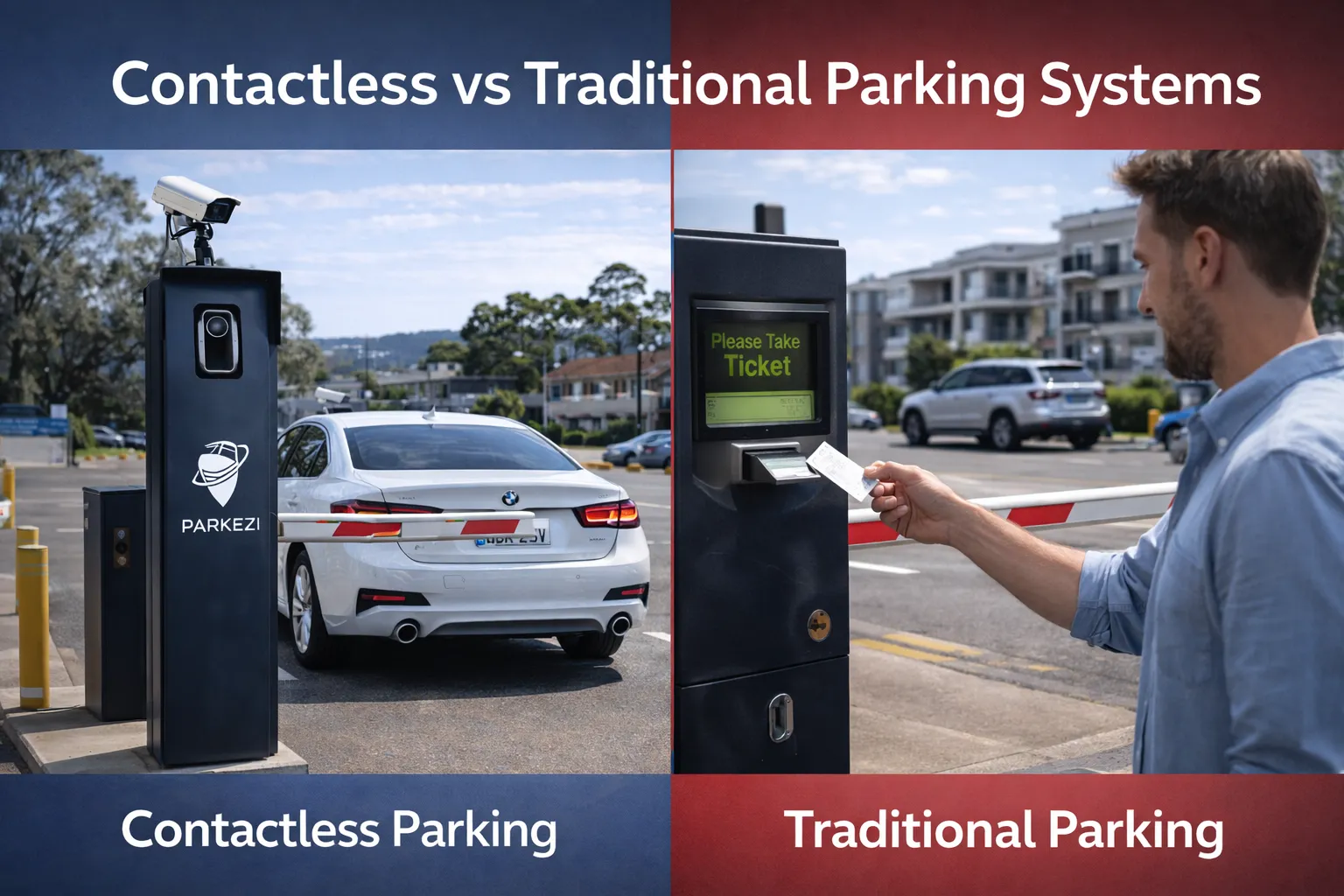
Traditional parking access systems typically use swipe cards, fobs, remotes or keypads.
They are familiar and can still be perfectly practical in the right environment.
The main limitation is that the credential belongs to whoever is holding it.
A card can be shared. A remote can be passed between vehicles. A lost credential can remain active until somebody notices and disables it.
ANPR takes a different approach.
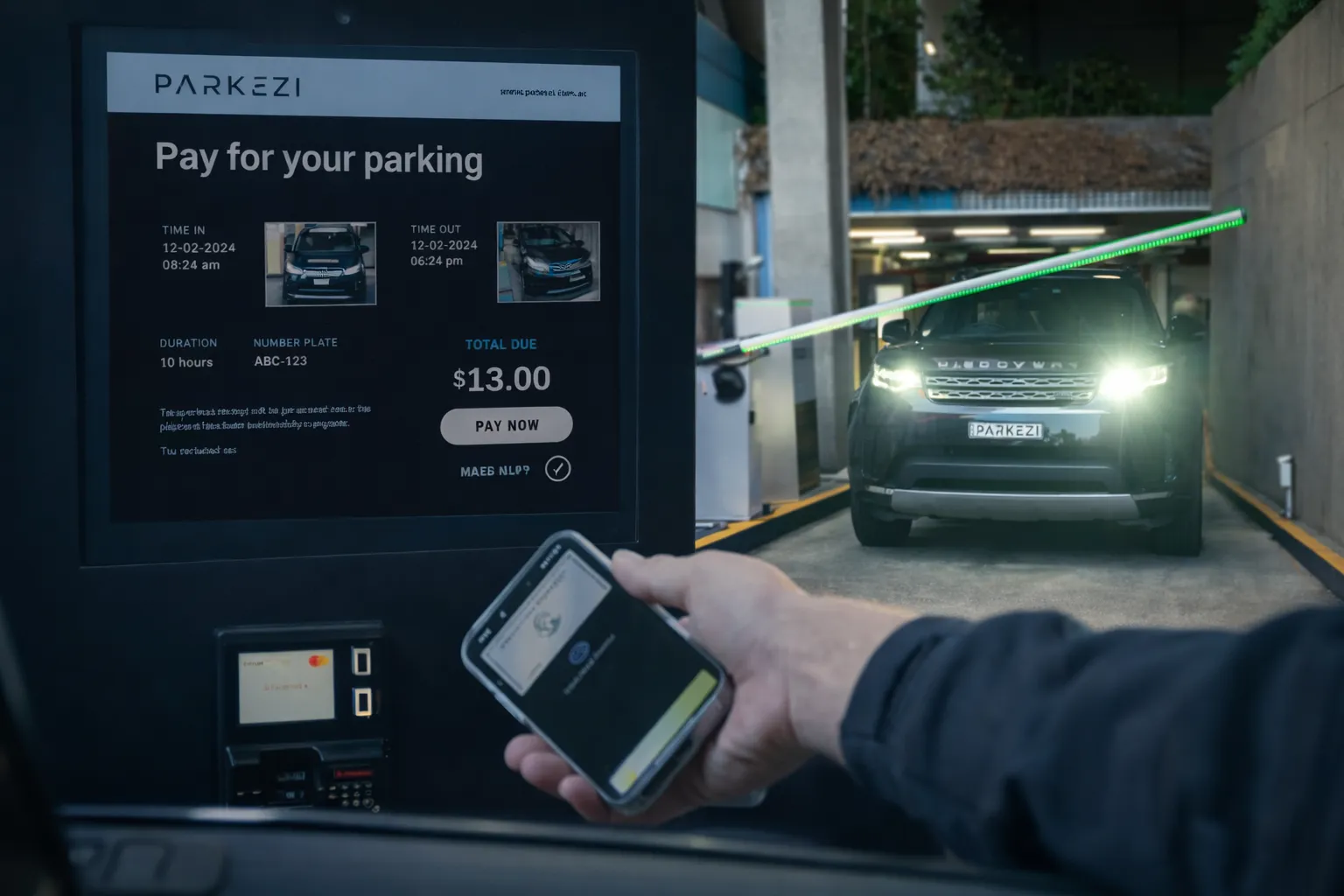
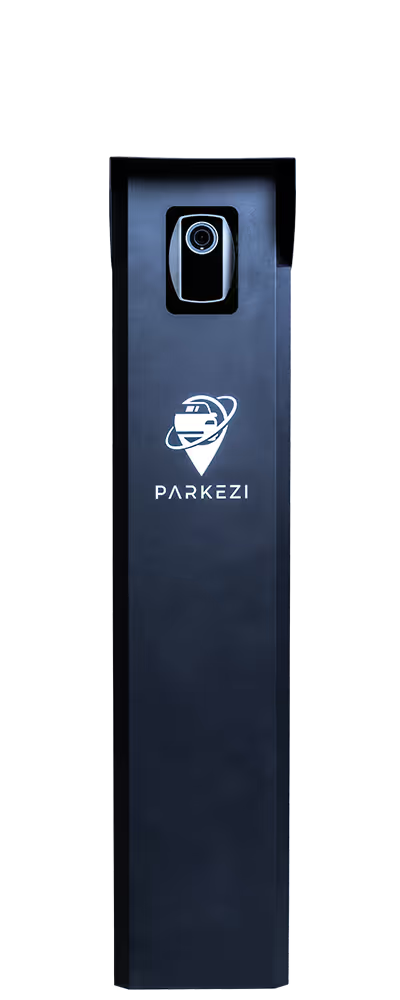
Instead of asking the driver to present something, the system recognises the vehicle's number plate. For authorised vehicles, access can happen automatically.
This also creates a digital record of vehicle movements and allows access permissions to be changed without collecting physical credentials.
The difference becomes particularly important when parking allocations need to be enforced.
Liverpool: What Happens When Access Cards Are Shared
A Parkezi project in Liverpool demonstrates why choosing the access method matters.
The car park serves more than 30 businesses and previously operated using swipe cards.
The problem was that cards were being systematically shared. A business allocated three parking bays could pass one card between drivers and bring in as many as ten vehicles.
Those additional vehicles then occupied spaces allocated to other tenants.
There was no quota system to prevent it and no practical way to enforce how many vehicles each business had on site.
This is an important distinction when evaluating access control.
Providing access and controlling access are not necessarily the same thing.
A credential may successfully open a door or gate, but that does not mean the system is enforcing how the parking facility is supposed to be used.
For multi-tenant properties, the ability to manage vehicle permissions and allocations can therefore be just as important as the physical barrier itself.
Tailgating Requires More Than Vehicle Recognition
Another issue at the Liverpool site was physical security.
There were no boom gates. The car park relied on a roller shutter, which was relatively slow to close. Once the shutter opened for an authorised vehicle, another vehicle could potentially follow it inside before it closed.
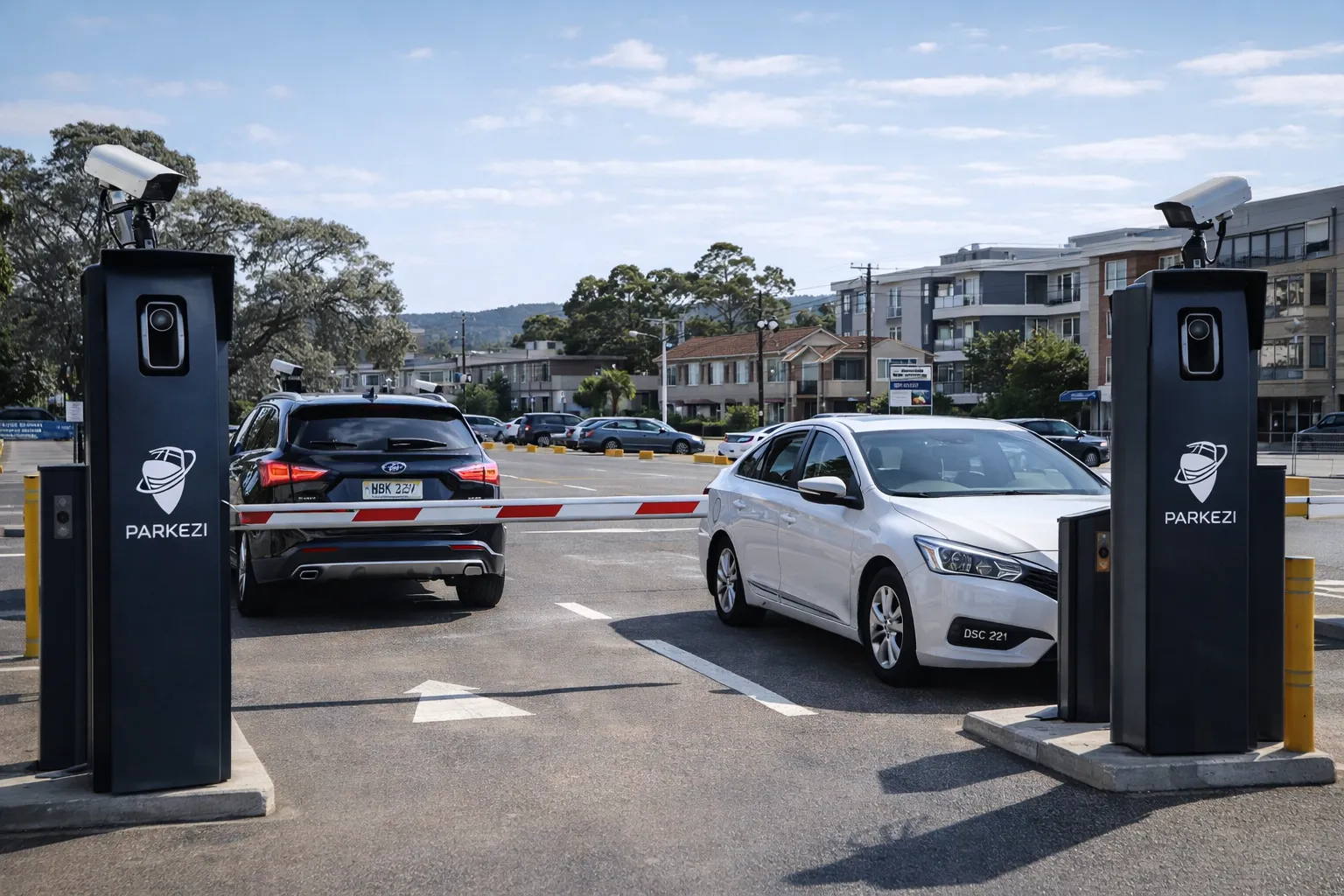
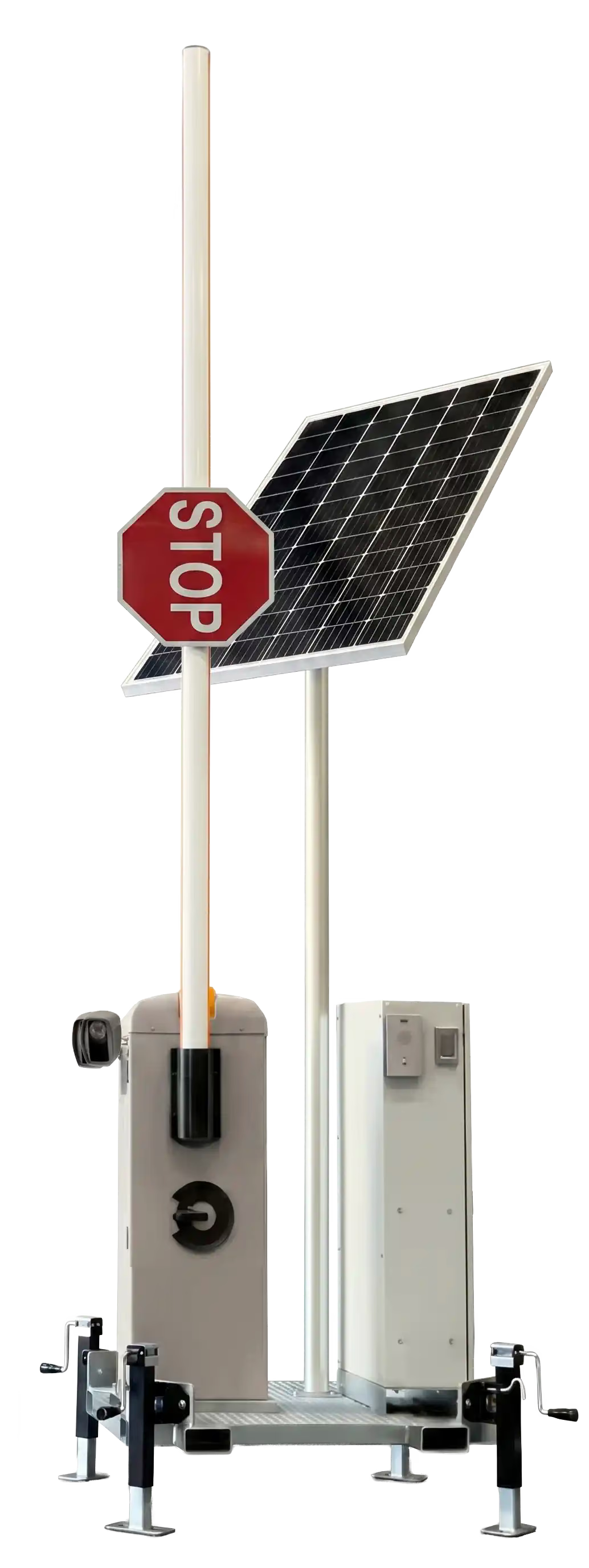
Parkezi addressed this using an interlocked boom gate and roller shutter system.
Both barriers open together for an authorised vehicle. The Beninca DIVA.3 boom gate then drops rapidly behind the vehicle, helping prevent another car from tailgating through the open entrance. The roller shutter subsequently closes to secure the car park.
This highlights something that can be missed when comparing access systems.
ANPR can determine whether a vehicle should be authorised, but the physical access-control design determines what happens immediately afterwards.
If tailgating is a genuine security risk, camera recognition alone is not enough. Barrier speed, positioning, vehicle detection and the sequence between different physical controls all need to be considered.
When ANPR Is Not the Right Fit
ANPR has significant advantages, but a genuine buyer's guide also needs to acknowledge its limitations.
Number plate recognition depends on the camera having a readable view of the plate. Damaged, heavily obscured or otherwise unreadable plates can affect recognition.
Site layout and camera positioning also matter. A poorly designed installation can undermine otherwise capable technology.
And some sites simply do not need ANPR.
For a small, low-turnover residential car park with a stable group of users and straightforward access requirements, an existing card or fob system may continue to provide everything the property needs.
The decision should come back to the problem being solved.
ANPR becomes particularly valuable when you need better vehicle-level accountability, remote access management, automated entry or more sophisticated control across larger or changing user groups.
Think About Privacy Before Installation
ANPR introduces another consideration that should be addressed during procurement: privacy.
Number plates linked to identifiable individuals can constitute personal information, which means organisations need to think carefully about how that information is collected and managed. The client has specifically identified this as one of the first questions strata committees and property managers raise when evaluating ANPR.
Before selecting a provider, ask:
- Where is number plate data stored?
- Who can access it?
- What security controls protect that information?
- How long are vehicle records retained?
- What happens when information is no longer required?
- How are users informed about the collection and use of their data?
These questions should form part of the buying process rather than being addressed after installation.
Parkezi-specific storage, access and retention details should be inserted here once confirmed by Parkezi.
That is preferable to making broad claims about privacy compliance without explaining what happens to the data in practice.
Look at the Complete Parking System
Access control rarely operates effectively in isolation.
Depending on the property, it may need to connect with:
- Parking management software
- Payment systems
- Tenant access permissions
- Reporting and analytics
- Boom gates and shutters
- Other property management systems
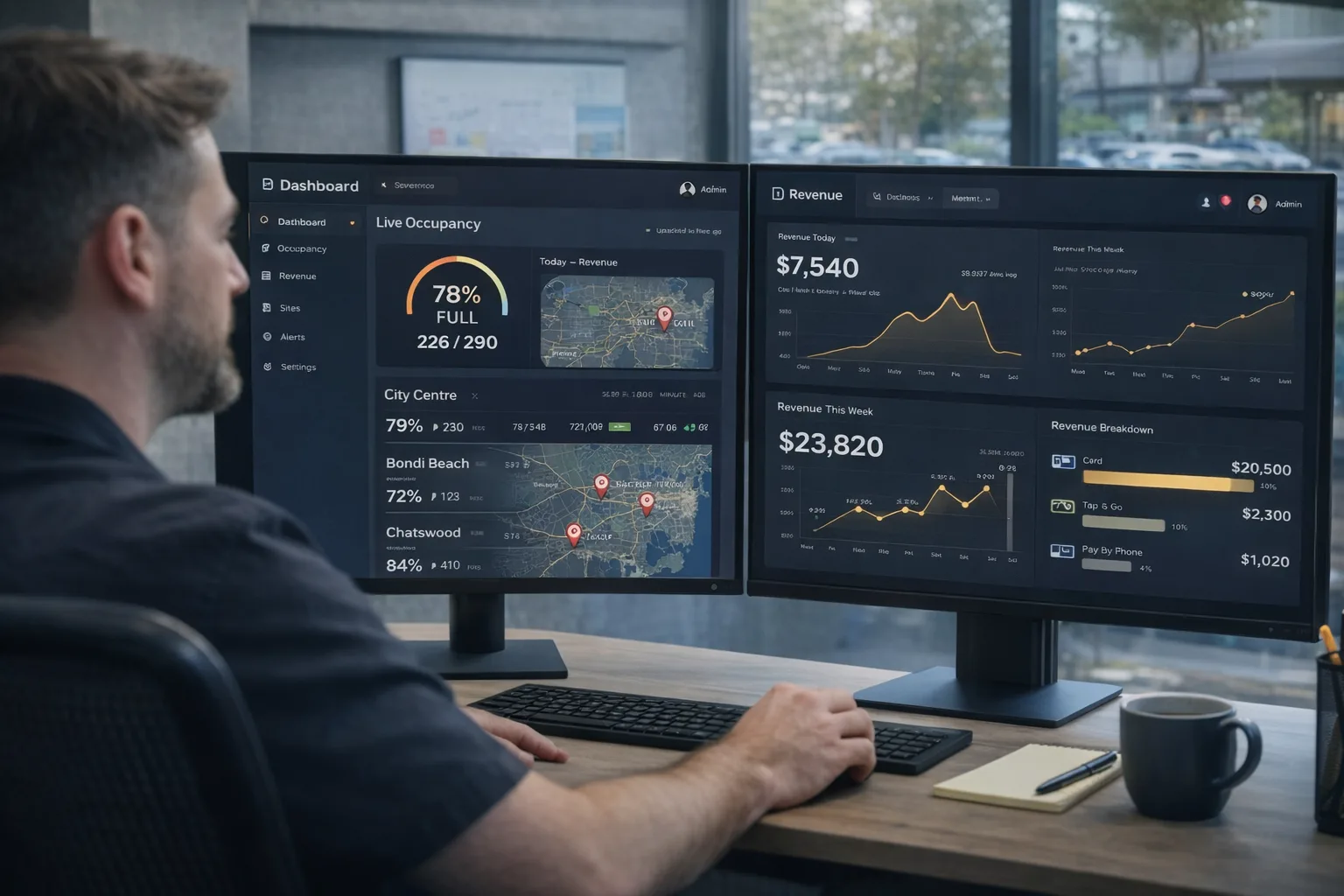
Integration reduces manual administration and gives operators a clearer view of what is happening across the facility.
A property manager should therefore ask not only whether a system can open the gate, but also whether it fits into the broader way the property is managed.
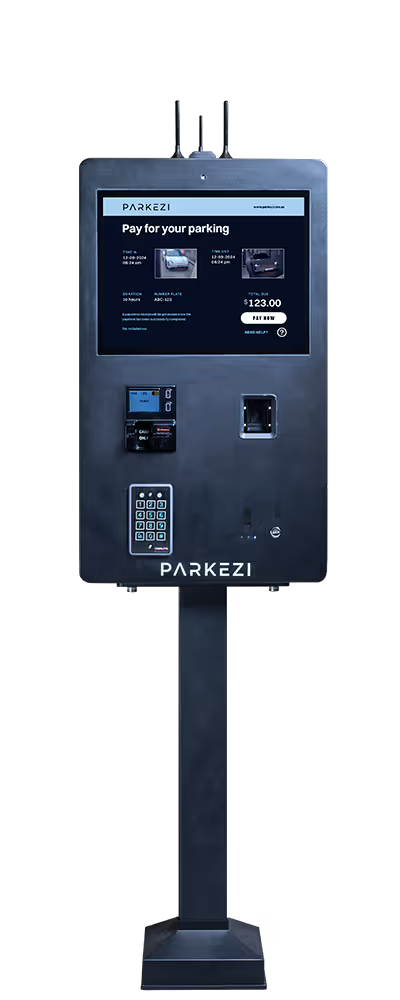
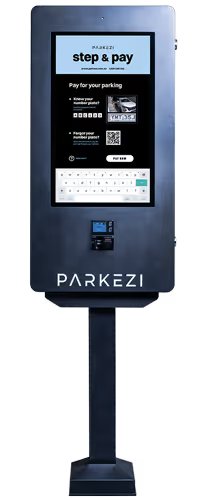
You can explore how Parkezi combines these components through its parking automation systems.
Consider Long-Term Management, Not Just Purchase Price
Upfront cost matters, but it is only one part of the decision.
Traditional credential systems can carry ongoing administrative costs. Cards and fobs need to be issued, replaced and disabled. Changes to tenants or staff need to be managed, and physical credentials can continue circulating unless there is a reliable process for retrieving them.
Cloud-managed systems shift more of this work into software.
Access permissions can be changed remotely, new vehicles can be added and multiple sites can potentially be managed from a central platform.
The right comparison therefore considers:
- Initial installation
- Ongoing administration
- Hardware maintenance
- Credential replacement
- System scalability
- Security requirements
- Integration requirements
A cheaper system at installation may not remain the cheaper option over its operating life.
Key Takeaways
- Start with your site's users, traffic patterns and security requirements before comparing technology.
- Cards and fobs remain suitable for some smaller, straightforward sites.
- ANPR provides vehicle-level access control without relying on transferable physical credentials.
- The Liverpool project shows how shared swipe cards can undermine tenant parking allocations.
- Tailgating requires physical security measures as well as vehicle recognition.
- Parkezi's Liverpool solution uses a Beninca DIVA.3 boom gate interlocked with a roller shutter to rapidly secure access behind each vehicle.
- ANPR is not suitable for every site or every vehicle condition.
- Privacy, data storage, access and retention should be considered before an ANPR system is selected.
- Long-term administration and maintenance matter alongside upfront cost.
Related Reading
For a broader look at the technology available, explore Parkezi's parking automation systems.
If you are planning an upgrade, Parkezi also explains what to consider during parking system installation.
If revenue performance is part of the reason for reviewing your existing setup, read How to Improve Parking Revenue Without Increasing Fees for a different perspective on how ANPR and ticketless parking can improve car park performance.
Frequently Asked Questions
Is ANPR always better than swipe cards or fobs?
No. ANPR is particularly useful where operators need vehicle-level accountability, automated entry and easier management of changing users. A small residential site with a stable user base may still be well served by a simple card or fob system.
Can ANPR stop tailgating?
ANPR determines whether a vehicle is authorised, but preventing tailgating also depends on the physical access-control design. At Parkezi's Liverpool project, a rapid-closing Beninca DIVA.3 boom gate was interlocked with the roller shutter specifically to address this issue.
What happens if a number plate cannot be read?
Dirty, damaged or obscured plates can affect recognition, which is why system design should include an appropriate way to handle exceptions. Camera positioning and installation quality also play an important role in recognition reliability.
What privacy questions should I ask about ANPR?
Ask where vehicle data is stored, who can access it, how it is secured, how long it is retained and what process is used when records are no longer required.
Finding the Right System for Your Site
There is no single parking access control system that is right for every property.
For some sites, a simple credential system remains entirely appropriate. For others, physical credentials create exactly the management and security problems they are trying to solve.
The Liverpool project is a useful example. The problem was not simply outdated swipe cards. It was that the system could not enforce parking allocations or adequately control the physical entrance once access had been granted.
Solving that required a combination of digital access management and carefully designed physical security.
If you are comparing parking access control options, contact Parkezi to discuss your site's traffic, security and management requirements before deciding which technology is the right fit.