

How to Improve Parking Revenue Without Increasing Fees
When parking revenue falls short of expectations, raising fees can seem like the obvious solution. Charge a little more per vehicle and overall revenue should increase.
In practice, it is not always that simple.
Higher fees can frustrate regular users and make alternative parking more attractive. For some sites, increasing prices can even affect demand.
Before changing the fee structure, there is another question worth asking: is the car park collecting all the revenue it should already be generating?
Lost tickets, unpaid exits, manual overrides, payment friction and inefficient traffic flow can quietly reduce revenue every day. Across hundreds of transactions, relatively small problems can add up quickly.
For many operators, the opportunity is not to charge more. It is to make the existing parking operation work better.
Key Insight
Improving parking revenue is not simply about how much you charge. It is about accurately capturing legitimate transactions, making parking easy to use and ensuring the car park can efficiently handle the demand already there.
Start by Finding Where Revenue Is Being Lost
Revenue leakage is not always easy to see.
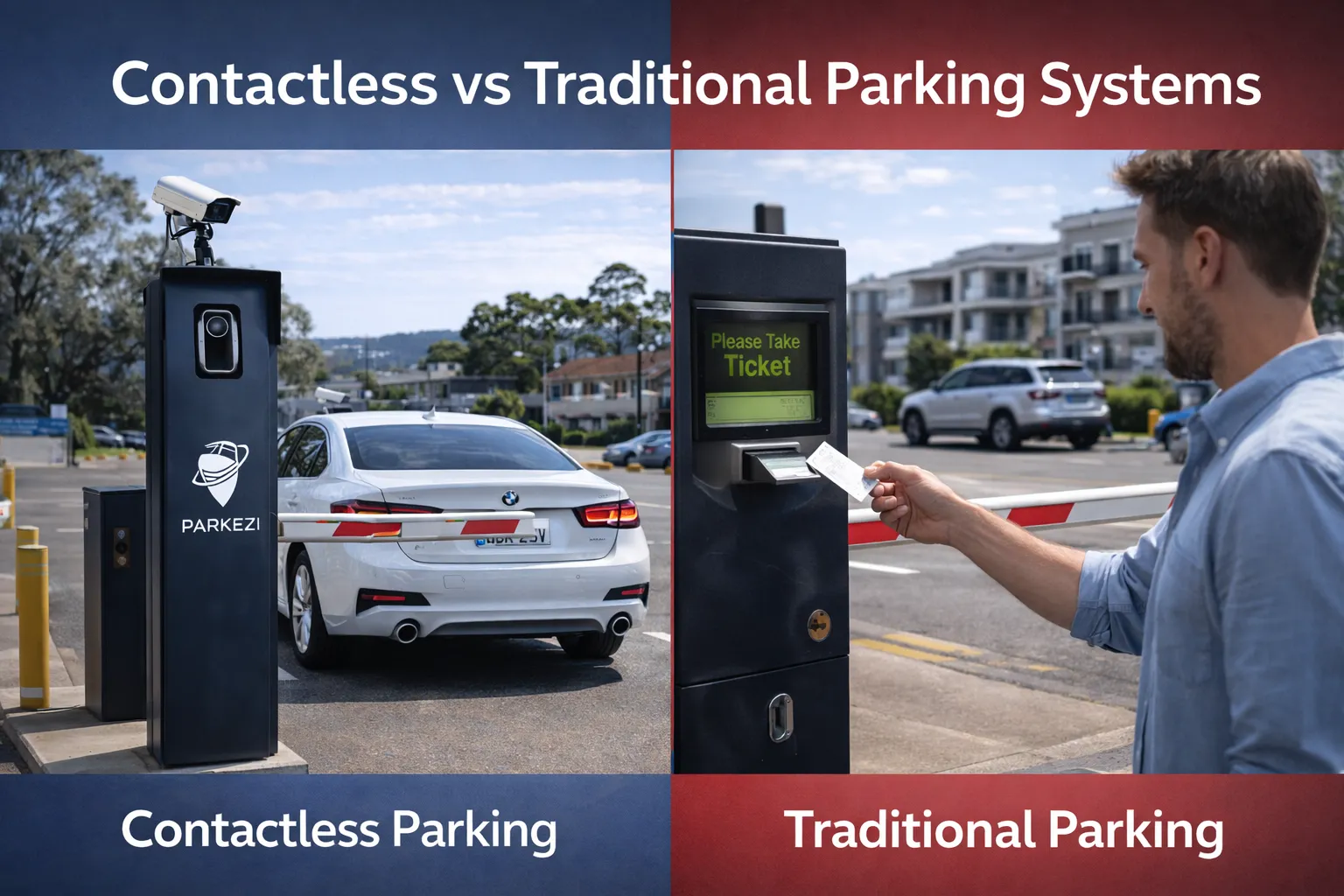
Traditional parking systems often depend on paper tickets, payment machines and manual intervention. Each additional step creates another opportunity for something to go wrong.
Common issues include:
- Lost or damaged tickets
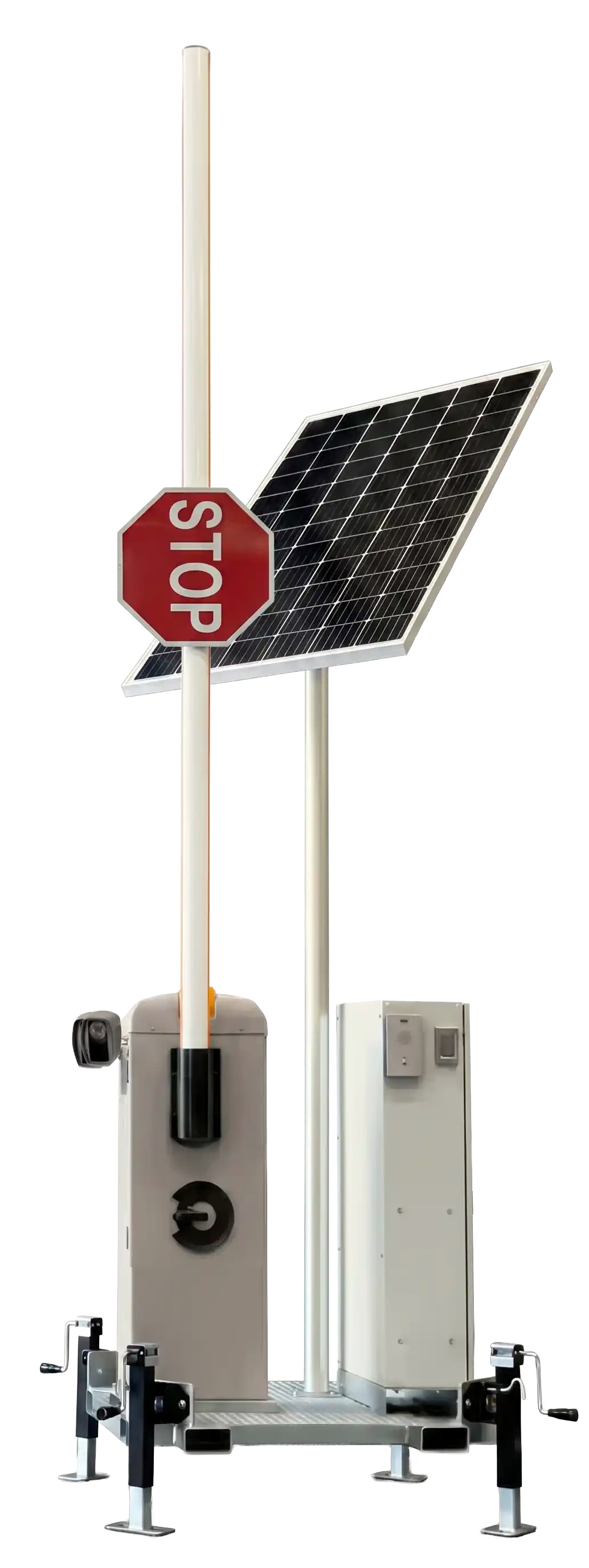
- Manual boom gate overrides
- Vehicles leaving without completing payment
- Faulty payment equipment
- Inaccurate entry and exit records
- Unauthorised access
One missed payment may not seem significant. Repeated across a busy commercial car park, however, the impact can become substantial.
The bigger problem is visibility. If the system does not provide reliable vehicle and transaction data, operators may know revenue is below expectations without knowing exactly where the problem sits.
How ANPR Helps Reduce Revenue Leakage
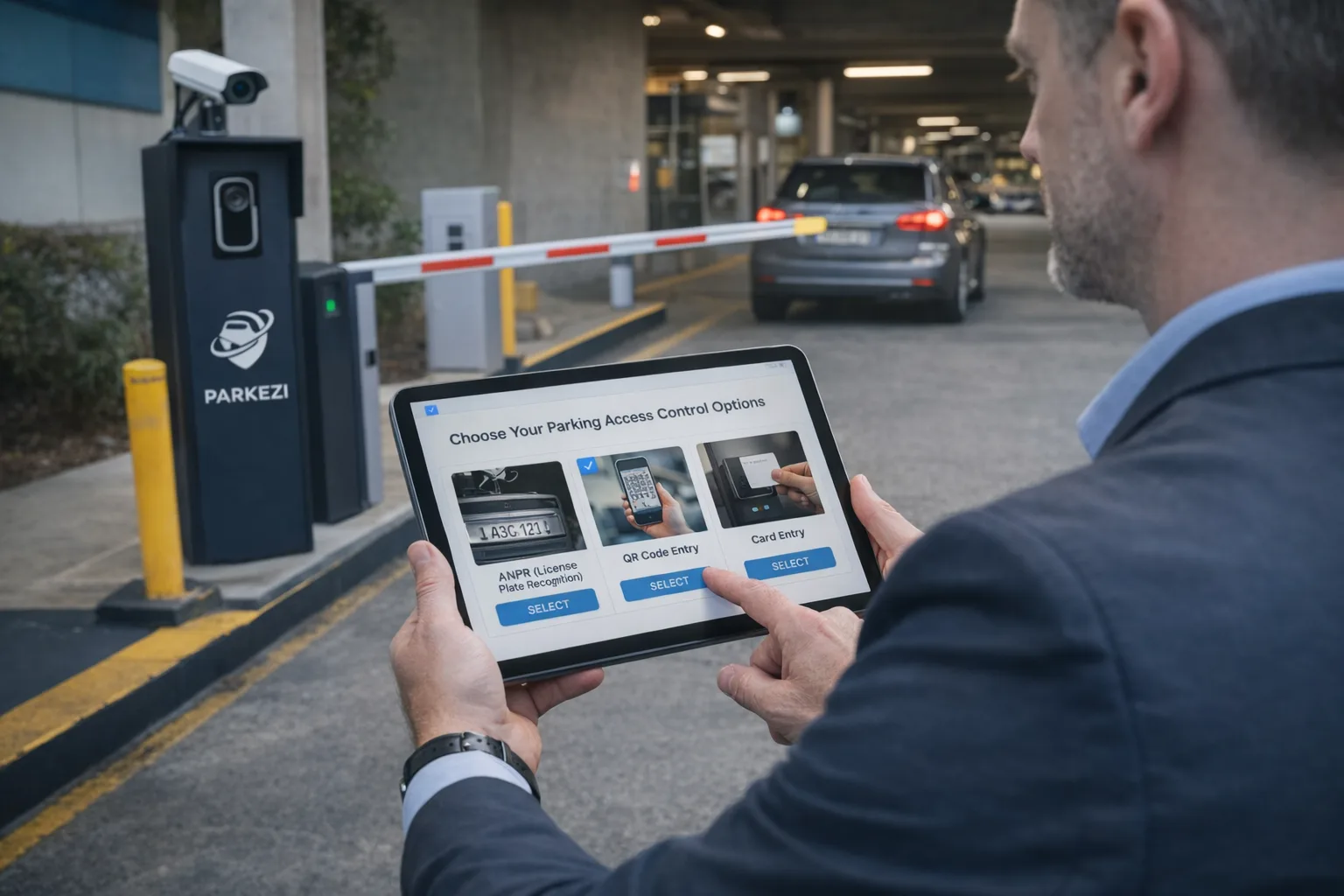
Automatic Number Plate Recognition, or ANPR, replaces the paper ticket with a digital vehicle record.
When a vehicle enters, its number plate is recorded. When it leaves, the system matches the plate with its parking session.
There is no physical ticket to lose, damage or transfer between vehicles. Entry and exit times are also recorded digitally, giving operators a clearer picture of what is happening within the car park.
For casual parking facilities, that additional visibility can make revenue collection more accountable.
But reducing leakage is only part of the opportunity.
Making parking easier can also encourage more people to use it.
Knight Frank Chatswood: A Real Revenue Example
The Knight Frank managed car park in Chatswood shows how changing the parking process can affect both revenue collection and demand.
The facility has 120 bays, with 50 leased bays on the top floor and 70 casual bays. There are also 18 tenant companies, each with access to its own login.
Before the upgrade, casual parkers used paper tickets while tenants with leased bays used swipe cards.
The system had a significant weakness. People were standing near the exit gate and allowing casual parkers to leave without paying. There was no reliable way to stop it or even see how frequently it was occurring.
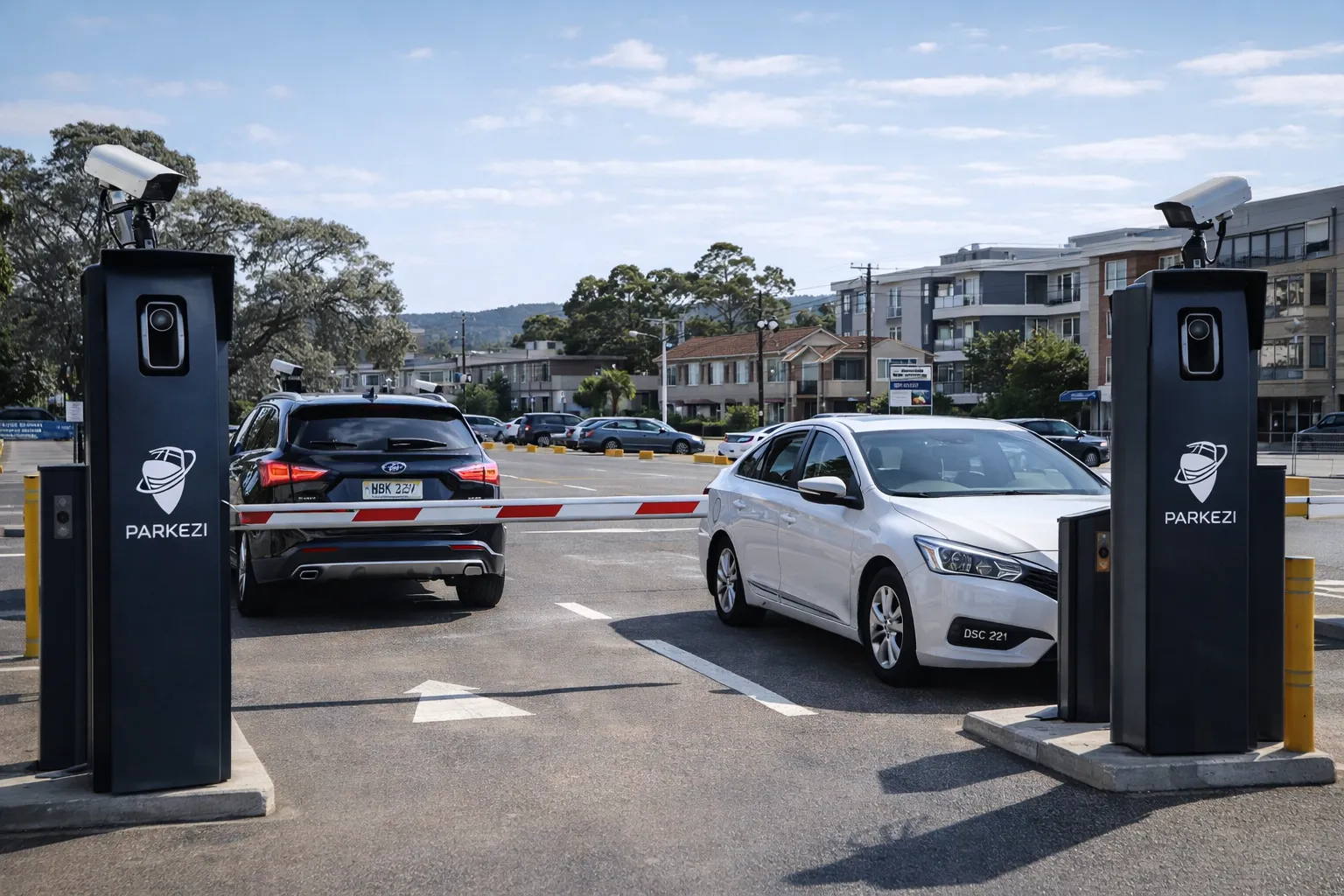
Parkezi replaced the setup with a fully ticketless, paperless ANPR system.
After the change, casual transactions increased from around 50 per day to approximately 140 per day.
Monthly casual parking revenue also increased from around $8,000 to approximately $20,000, meaning it more than doubled. At those volumes, the difference represents roughly $144,000 a year in additional casual parking revenue.
Interestingly, average revenue per transaction fell slightly while transaction volume nearly tripled.
That suggests the result was not simply about recovering unpaid parking.
The site operates casual parking as a four-hour, high-turnover product. Making the experience ticketless and allowing drivers to pay by phone appears to have made the car park more attractive for shorter visits as well.
Someone parking for 40 minutes, for example, may be far more willing to use a car park when they know they will not have to collect a ticket, find a payment machine and complete another manual process before leaving.
That is an important lesson for operators. Sometimes making parking easier can generate more value than simply making it more expensive.
Faster Exits Matter Too
Traffic flow is usually discussed as a customer experience issue, but it can also influence parking performance.
At Knight Frank Chatswood, the difference in exit times is clear.
Before the upgrade, exiting took around 45 seconds per vehicle.
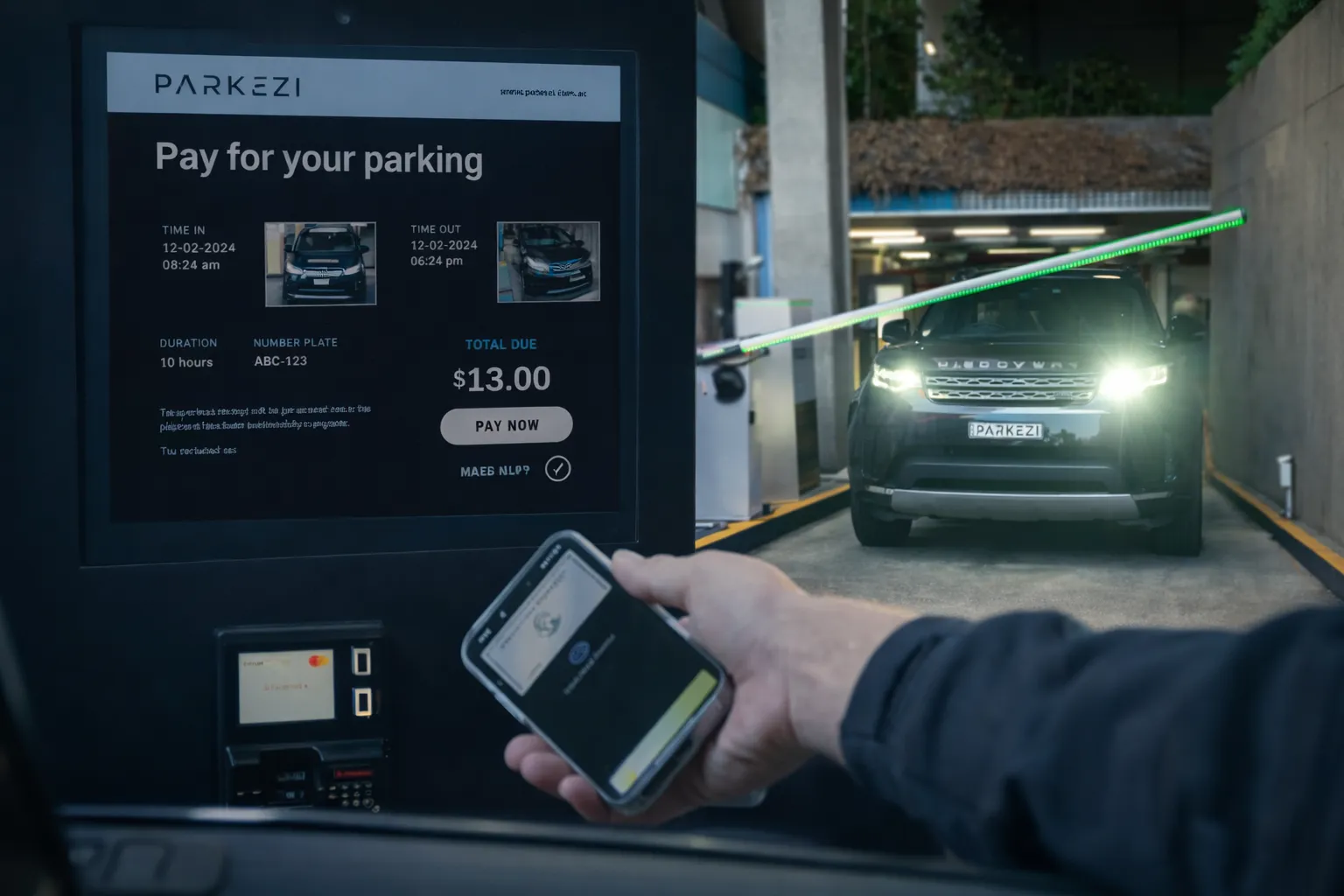
With the new system, a driver paying by card at the gate takes around 20 seconds.
For someone who has already paid by phone, exit is effectively instant. The ANPR camera reads the plate and the boom gate lifts without the driver stopping.
Across a single vehicle, that saving may seem small. Across dozens of vehicles leaving during a busy period, it can make a noticeable difference.
Shorter exit times reduce queues and help a high-turnover car park process demand more efficiently.
Make Payment Easier, Not More Expensive
Drivers are used to quick digital payments in almost every other part of their day. Parking should not feel unnecessarily complicated.
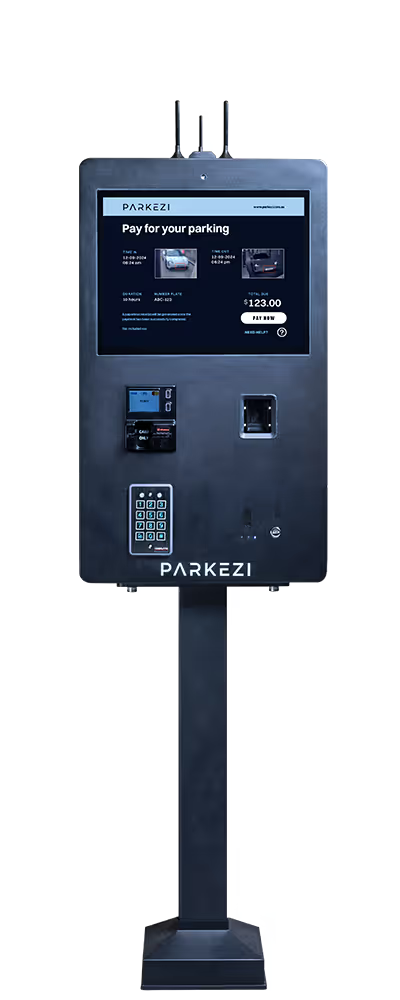
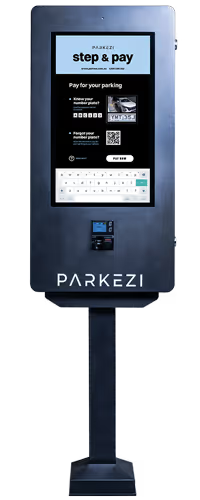
Depending on the site, modern parking systems can offer:
- Tap-and-go payments
- Mobile payments
- QR code payments
- Online payment
- Plate-linked payment processes
The goal is not simply to offer more technology. It is to remove unnecessary steps between parking and payment.
The Chatswood example demonstrates the value of this approach. Phone payment does not just provide another payment method. It changes the exit experience because prepaid vehicles can leave as soon as their plate is recognised.
For high-turnover sites, reducing this type of friction can support both customer experience and commercial performance.
Use Parking Data to Make Better Decisions
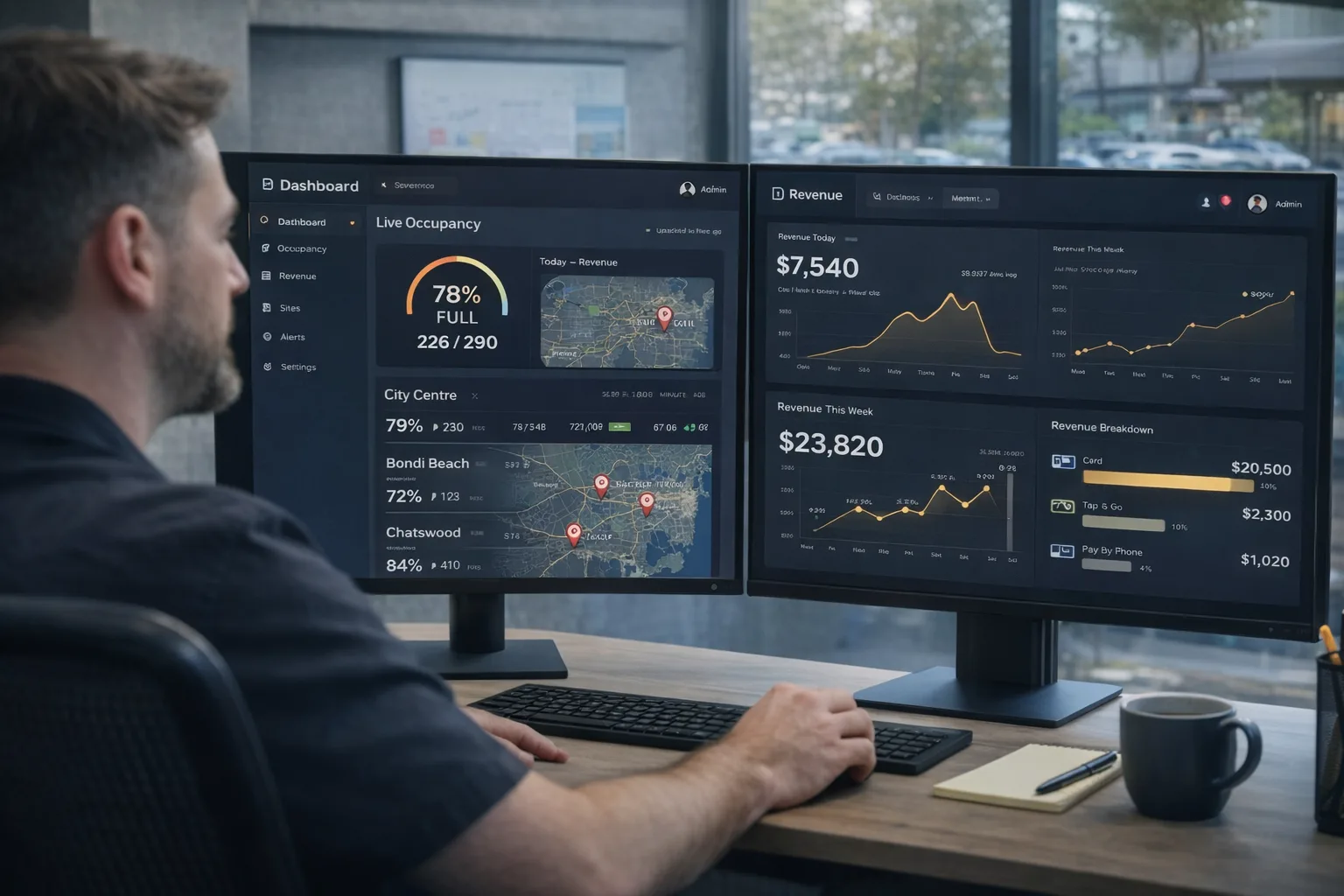
Modern parking systems also give operators better visibility over what is happening on site.
Depending on the configuration, this can include:
- Transaction volumes
- Vehicle entries and exits
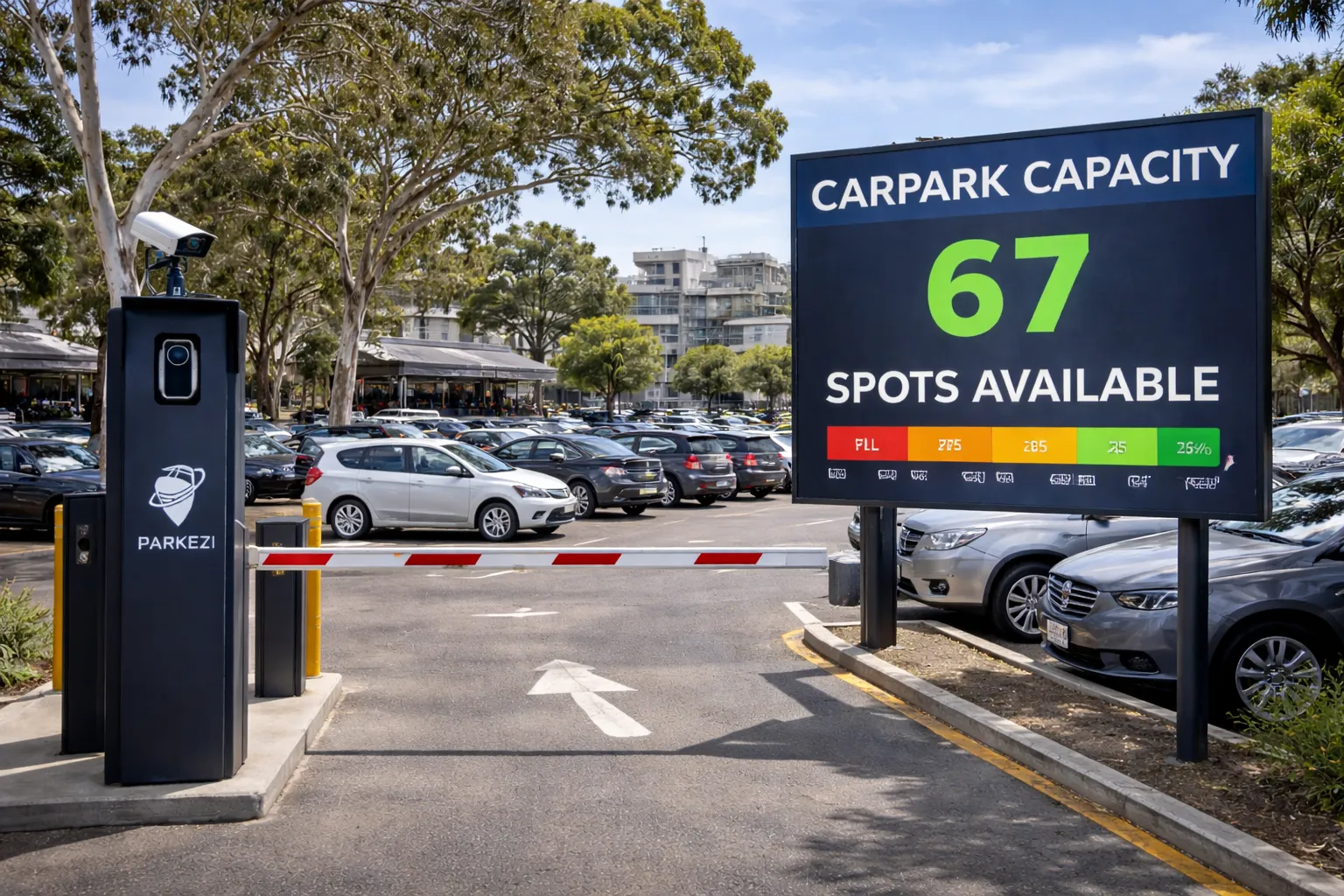
- Occupancy patterns
- Peak periods
- Dwell times
- Payment activity
This information helps answer a much more useful question than simply, "Should we increase our fees?"
It helps operators understand why revenue is performing the way it is.
A car park may have a pricing problem, but it may instead have a collection problem, a turnover issue or unnecessary payment friction.
Reliable data helps separate one from the other.
Look Beyond Revenue Per Transaction
One of the strongest lessons from the Knight Frank project is that average transaction value should not be viewed in isolation.
At Chatswood, the average amount generated per transaction fell slightly. Yet transaction volume nearly tripled and monthly casual revenue more than doubled.
For operators, this highlights the value of looking at the complete parking journey.
If a car park becomes easier to enter, pay for and exit, it may attract more short-stay users and improve turnover. That can ultimately be more valuable than trying to maximise the amount earned from every individual vehicle.
The better question may be:
How can we make the car park easier for more legitimate customers to use?
Key Takeaways
- Raising parking fees is not the only way to improve revenue.
- Revenue can be lost through unpaid exits, manual overrides and inefficient ticket-based processes.
- ANPR creates a digital vehicle record and improves transaction visibility.
- At Knight Frank Chatswood, casual transactions increased from around 50 to 140 per day.
- Monthly casual revenue increased from around $8,000 to $20,000, meaning it more than doubled.
- Exit times reduced from around 45 seconds to approximately 20 seconds for card payments, while prepaid phone users can exit without stopping.
- Improving convenience can support transaction volume as well as revenue collection.
Related Reading
Learn more about how Parkezi's parking automation systems combine ANPR, access control and digital parking management.
If you are considering upgrading an existing car park, see Parkezi's approach to parking system installation.
You can also explore the Knight Frank Chatswood project for more information about the site.
Frequently Asked Questions
Can parking revenue increase without raising fees?
Yes. Operators can improve revenue by reducing leakage, increasing legitimate transaction volumes, improving turnover and making payment easier.
How does ANPR help reduce lost parking revenue?
ANPR links the parking session to the vehicle's number plate instead of a paper ticket. This provides a clearer digital record of entry and exit activity and reduces issues associated with lost or transferred tickets.
Can faster exits affect parking revenue?
For high-turnover sites, they can. Faster exits reduce congestion and allow vehicles to move through the facility more efficiently, while also improving the customer experience.
Is revenue per transaction the most important parking metric?
Not necessarily. At Knight Frank Chatswood, average revenue per transaction fell slightly, but transaction volume nearly tripled and monthly casual revenue more than doubled. Overall utilisation and transaction volume can be just as important.
Getting More From Your Existing Car Park
Improving parking revenue does not always require charging customers more.
Often, the better opportunity is to identify where revenue is being lost, remove unnecessary friction and make the car park easier for legitimate customers to use.
Knight Frank Chatswood demonstrates what that can look like. Moving from paper tickets to ticketless ANPR helped address unpaid exits, increased casual transactions and contributed to monthly casual revenue more than doubling.
If you want to understand where your existing parking operation could perform better, contact Parkezi to discuss ANPR, ticketless parking and digital payment options for your site.