
How ANPR Cameras Improve Two-Way Parking Systems in High-Traffic Sites
When a car park has separate entry and exit lanes, managing vehicle flow is relatively straightforward. Incoming vehicles use one lane and outgoing vehicles use another.
A two-way parking system presents a different challenge.
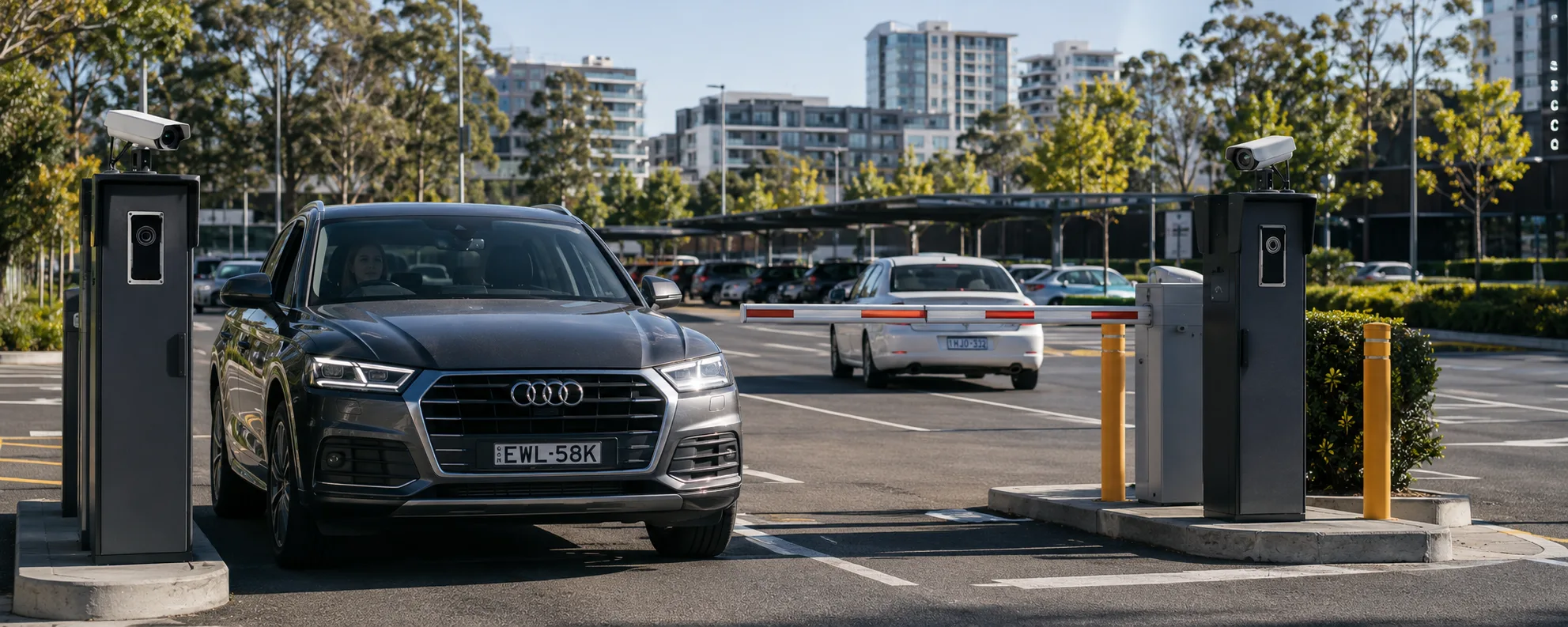
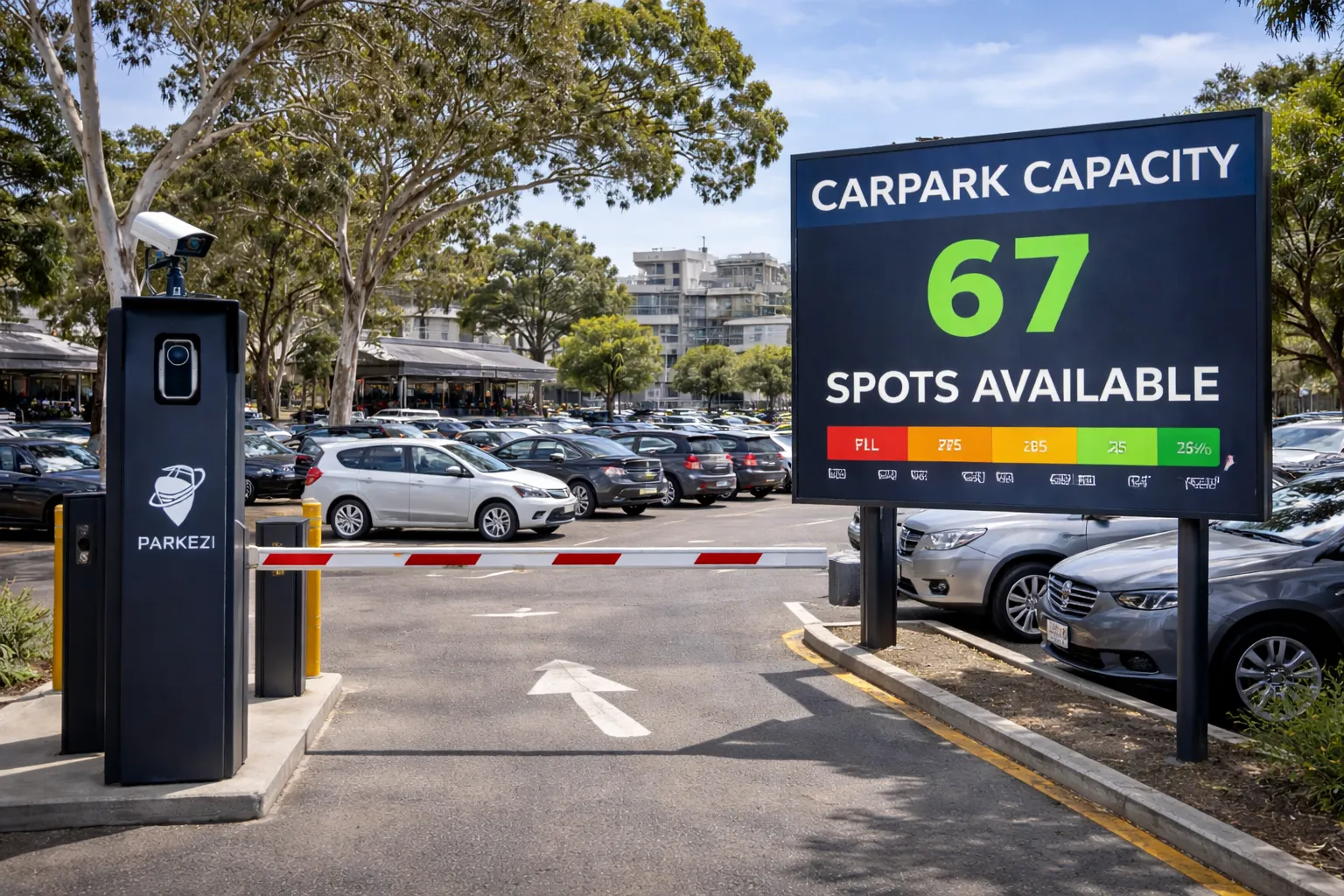
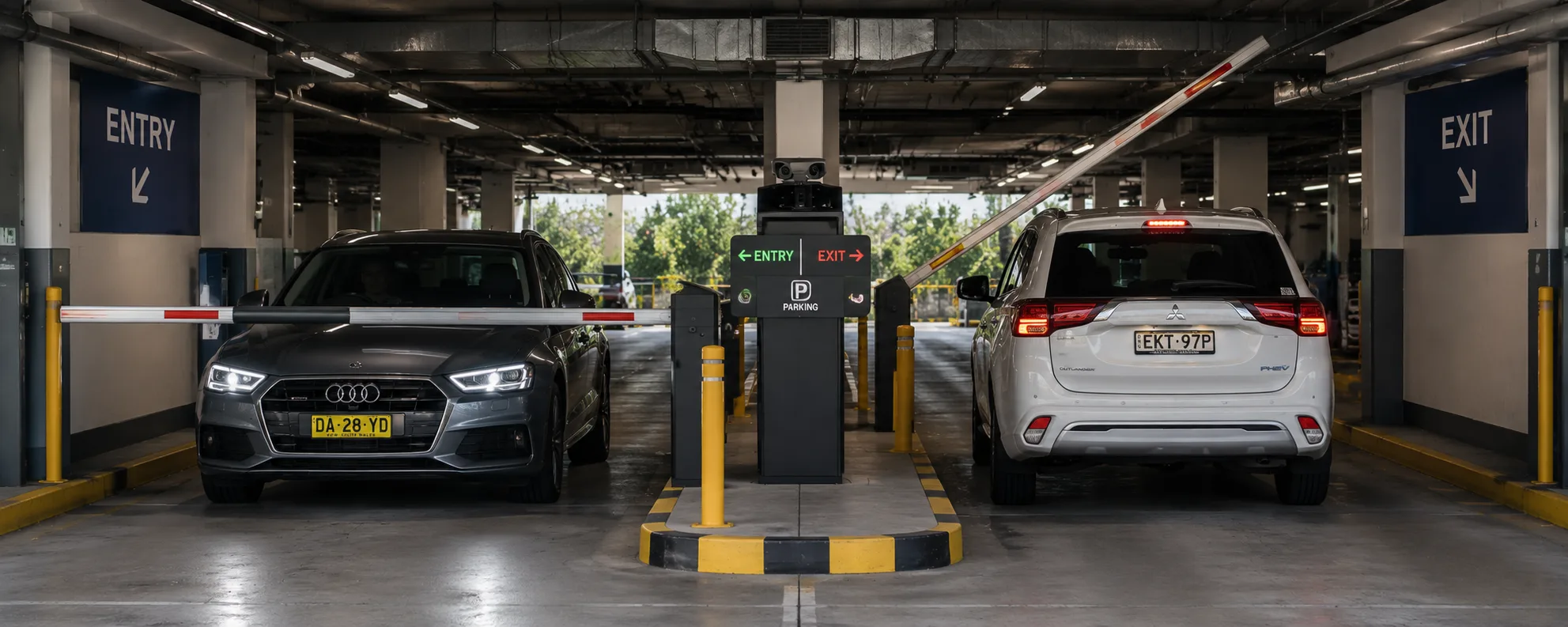
Vehicles travelling in opposite directions share the same access point. At some sites, a single lane and boom gate handle both entry and exit traffic.
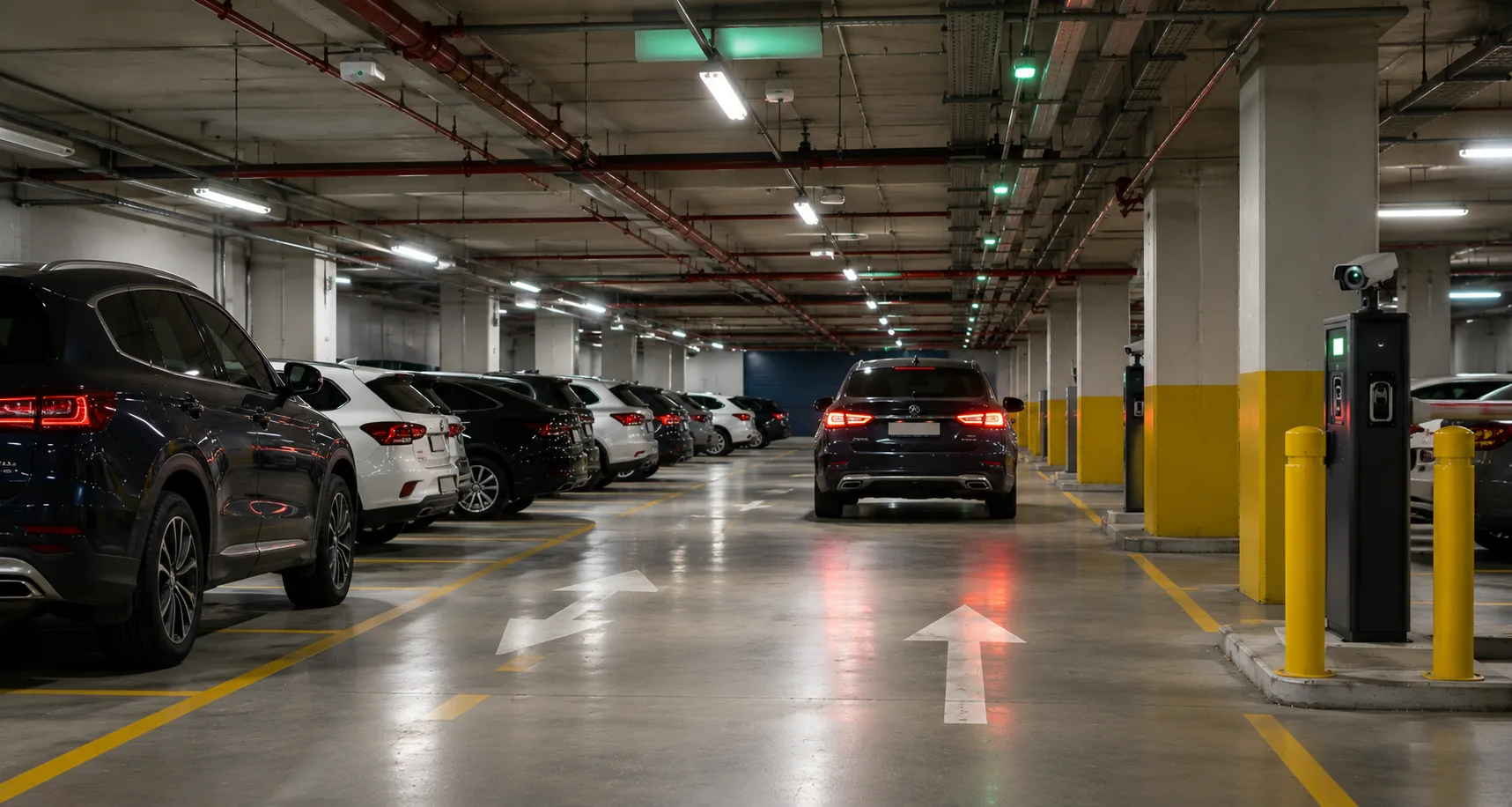
This type of arrangement is often necessary where space is limited or the existing property layout does not allow separate lanes. It can work effectively, but the number and movement of vehicles using the shared access point need to be carefully controlled.
Automatic Number Plate Recognition, or ANPR, can help. Rather than simply making entry faster, ANPR allows operators to control which vehicles should be using the car park in the first place.
For a high-demand site, that can make a significant difference.
Key Insight
In a single-lane two-way parking system, improving traffic flow is not only about moving vehicles through the gate faster. It is also about preventing unnecessary vehicles from entering and creating additional movements through the shared lane.
Why Two-Way Parking Requires Different Thinking
Two-way access is commonly used where separate entry and exit lanes are not practical.
This can include:
- Commercial properties
- Sporting facilities
- Residential buildings
- Schools and education sites
- Hospitality venues
- Sites with constrained driveways
The arrangement makes efficient use of limited space, but it also creates a natural point of contention.
If one vehicle is entering while another is trying to leave, one may need to wait.
This means every unnecessary vehicle entering the car park creates more than a parking-space problem. That vehicle also needs to travel through the shared access point when entering and again when leaving.
Managing demand is therefore particularly important at two-way sites.
The Problem Is Not Always Gate Speed
It is easy to assume congestion around a boom gate means the gate needs to operate faster.
Sometimes it does.
But a faster gate will not solve the underlying problem if vehicles that should not be using the car park are still being allowed in.
Imagine 30 unauthorised vehicles entering a private facility during a busy period.
Those vehicles do not simply occupy 30 spaces. Each needs to travel through the shared lane on arrival and again when leaving.
That creates 60 additional movements through the same access point.
For a single-lane two-way system, those movements can have a noticeable impact.
Reducing congestion should therefore begin with understanding who actually needs access rather than simply processing every vehicle faster.
How ANPR Changes Access Control
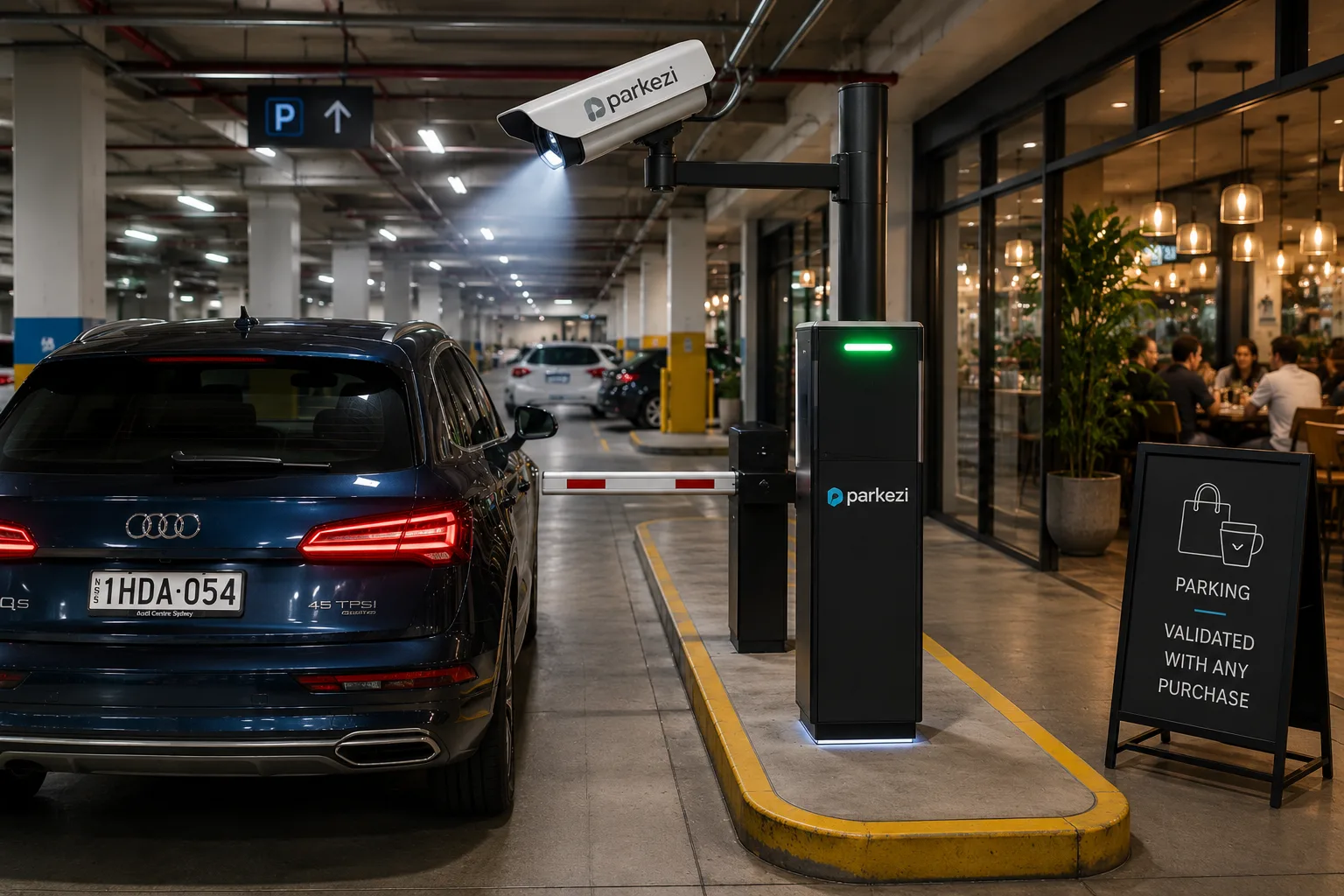
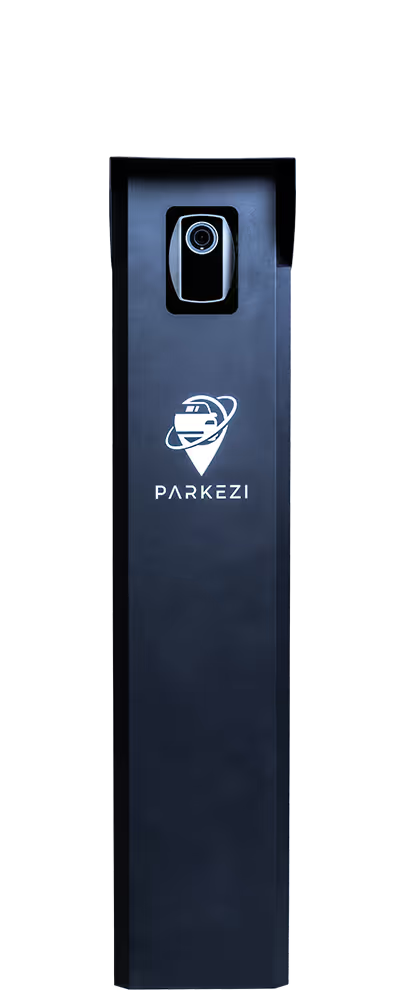
ANPR cameras read a vehicle's number plate as it approaches the access point.
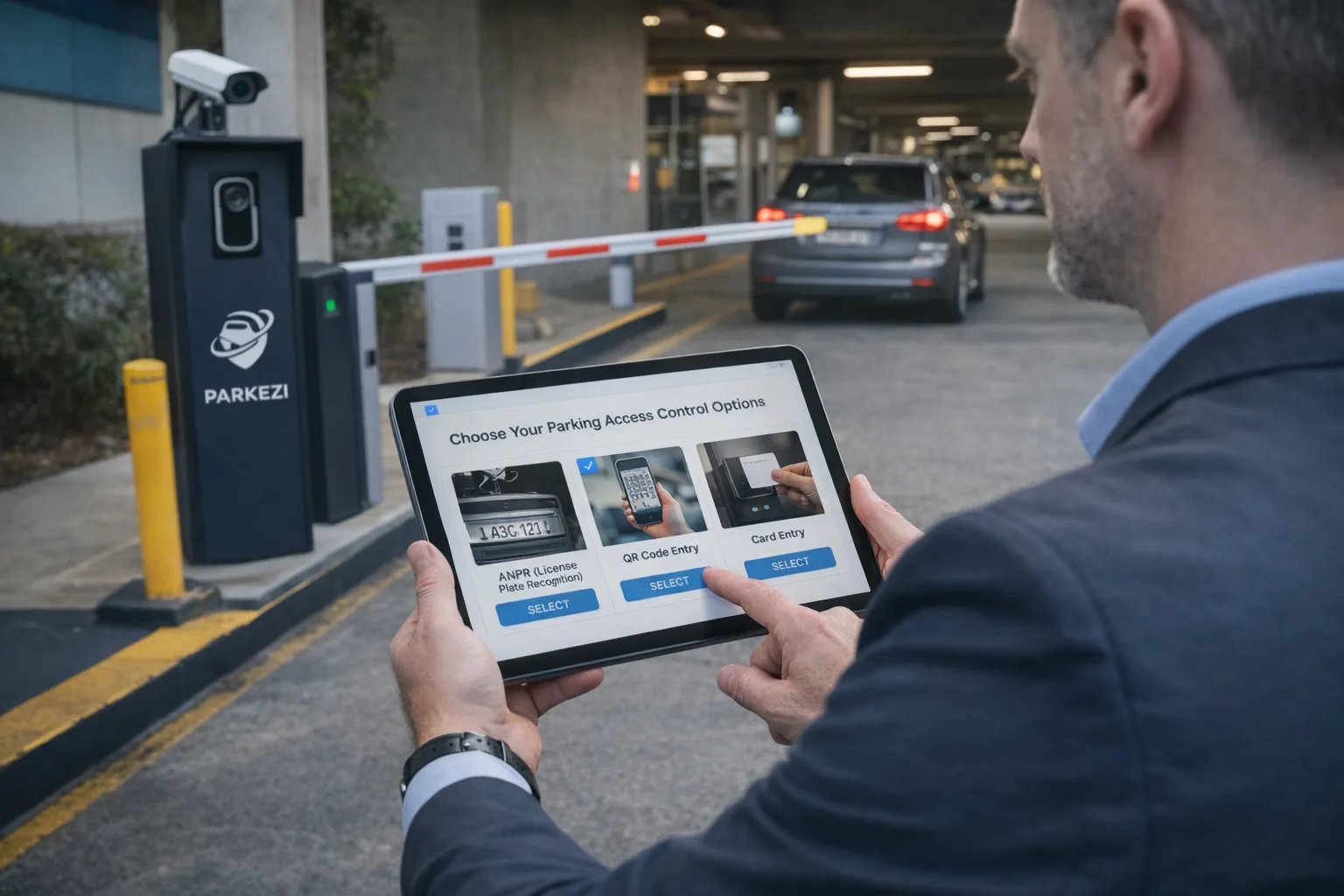
For private or restricted facilities, authorised registrations can be added to the system in advance. When a registered vehicle arrives, the system recognises it and applies the appropriate access rule.
The driver does not need to collect a ticket, find an access card, enter a PIN or wait for someone to manually open the gate.
This reduces interaction at the access point while allowing operators to control access at vehicle level.
If a vehicle is not authorised, it does not need to become part of the traffic inside the facility.
That is particularly valuable in a two-way environment because every unnecessary entry also creates another future exit through the same constrained lane.
You can learn more about how ANPR works alongside Parkezi's parking automation systems.
Belmore Sports Ground: A Genuine Two-Way Parking Example
The Canterbury-Bankstown Bulldogs' home ground and training base at Belmore Sports Ground provides a practical example.
Belmore operates as a genuine two-way parking site. Vehicles entering and leaving use a shared access point operating in both directions through a single boom gate.
The main operational problem was not slow vehicle processing. It was unauthorised parking.
Players and staff arriving for training were finding that members of the public had parked inside the facility. The people who genuinely needed the parking could arrive and find spaces already occupied.
Parkezi addressed the problem by controlling who could enter.
Players and staff are registered within the system, giving authorised vehicles access to the car park. Members of the public park outside instead.
This solves the parking-space problem, but it also improves the operation of the two-way lane.
Every unauthorised vehicle prevented from entering is one fewer vehicle travelling through the shared lane on arrival and one fewer vehicle travelling through it on departure.
Rather than simply trying to move vehicles through the gate faster, the system reduces lane contention at the source.
Access Control Can Also Manage Traffic
The Belmore example highlights an important point about two-way parking systems.
Access control and traffic management are closely connected.
At a high-demand private site, allowing every arriving vehicle to enter and then trying to manage congestion afterwards is inefficient.
If the car park is intended for a defined group, controlling access can reduce the amount of traffic the system needs to handle.
This approach can be useful for:
- Sporting and training facilities
- Hospitals with restricted staff areas
- Schools and university campuses
- Commercial tenant parking
- Residential developments
- Industrial facilities
In each case, the objective may not be to maximise the number of vehicles entering. It may be to protect limited parking capacity for authorised users while keeping unnecessary traffic away from a constrained access point.
ANPR Removes Manual Decision Points
Restricting access is only one part of the benefit.
ANPR can also reduce the time authorised users spend interacting with the entry point.
With a physical credential system, a driver may need to stop, find a swipe card or remote, present it and wait for access.
Those few seconds matter more in a two-way lane because a vehicle occupying the access point can prevent another vehicle travelling in the opposite direction from using it.
ANPR removes many of these manual steps.
For regular authorised users, recognition occurs as the vehicle approaches the gate. This creates more predictable movements and reduces unnecessary stop-start behaviour.
System Design Still Matters
ANPR should not be viewed as a complete solution on its own.
The camera determines which vehicle is approaching, but the wider access system determines how that vehicle moves through the site.
A two-way parking system should consider:
- Boom gate positioning
- Vehicle detection
- Lane visibility
- Entry and exit sequencing
- Safe waiting areas
- Signage
- Camera positioning
These factors become particularly important when vehicles approaching from opposite directions reach the access point at similar times.
Technology can improve how those movements are managed, but it cannot compensate for poor lane design or installation.
Parkezi explains more about planning and implementation on its parking system installation page.
Protecting Limited Parking Capacity
Two-way systems are often found at sites where space is already constrained.
That makes protecting the available parking particularly important.
If unauthorised vehicles regularly occupy spaces, improving gate speed alone will not address the real problem.
ANPR allows access to be linked to registered vehicles.
At Belmore Sports Ground, that means parking can remain available for players and staff instead of being absorbed by public parking.
The same principle applies elsewhere. A commercial property may need to protect tenant bays, while a hospital may need to preserve staff parking.
Better access control helps operators make better use of the parking capacity they already have.
Key Takeaways
- A two-way parking system uses a shared access point for vehicles travelling in both directions.
- Every unnecessary vehicle creates two movements through the shared lane, once entering and once leaving.
- ANPR can reduce lane contention by preventing unauthorised vehicles from entering.
- It also removes manual access steps for registered users.
- At Belmore Sports Ground, registered players and staff receive access while members of the public park outside.
- Access control can therefore act as both a security and traffic-management tool.
- Camera placement, boom gate configuration and lane design remain important to overall performance.
Frequently Asked Questions
What is a two-way parking system?
A two-way parking system uses the same access point for vehicles entering and exiting. This is commonly used where there is not enough space for separate entry and exit lanes.
How does ANPR improve a two-way parking system?
ANPR automatically recognises authorised vehicles, reducing manual interaction at the gate. At restricted sites, it can also prevent unauthorised vehicles from entering, reducing the total number of movements through the shared lane.
Does every two-way parking system need ANPR?
No. The appropriate technology depends on traffic volumes, site layout and access requirements. ANPR is particularly useful where vehicle-level authorisation and automated access are important.
Can ANPR solve congestion on its own?
No. ANPR can reduce unnecessary traffic and manual access delays, but boom gate configuration, signage, visibility and overall lane design also affect traffic flow.
Managing the Traffic That Actually Needs to Be There
A well-designed two-way parking system is not necessarily about moving the greatest possible number of vehicles through a gate.
Sometimes the better solution is reducing the number of unnecessary vehicles the system needs to handle.
Belmore Sports Ground demonstrates this clearly. Public vehicles were occupying parking needed by players and staff while also adding extra movements through a shared two-way access lane.
By restricting the car park to registered users, the system addresses both issues. It protects available parking while reducing avoidable lane contention.
If you manage a site with a shared entry and exit point, contact Parkezi to discuss how ANPR and access control can be configured around the way vehicles actually move through your property.