
How Much Does a Parking Automation System Cost in Australia?
One of the first questions operators ask when considering an upgrade is simple: how much does a parking automation system actually cost?
The honest answer is that pricing can vary significantly depending on the size of your site, the type of technology you choose and how the system is configured. What’s important is understanding what drives the cost and how modern systems can often reduce long-term expenses compared to traditional setups.
Here’s a clear breakdown of what influences the cost of a parking automation system in Australia and what you should factor in before making a decision.
What Impacts the Cost of a Parking Automation System?
No two car parks are the same, which is why pricing is rarely one-size-fits-all. Several key factors influence the overall investment.
Number of Entry and Exit Points
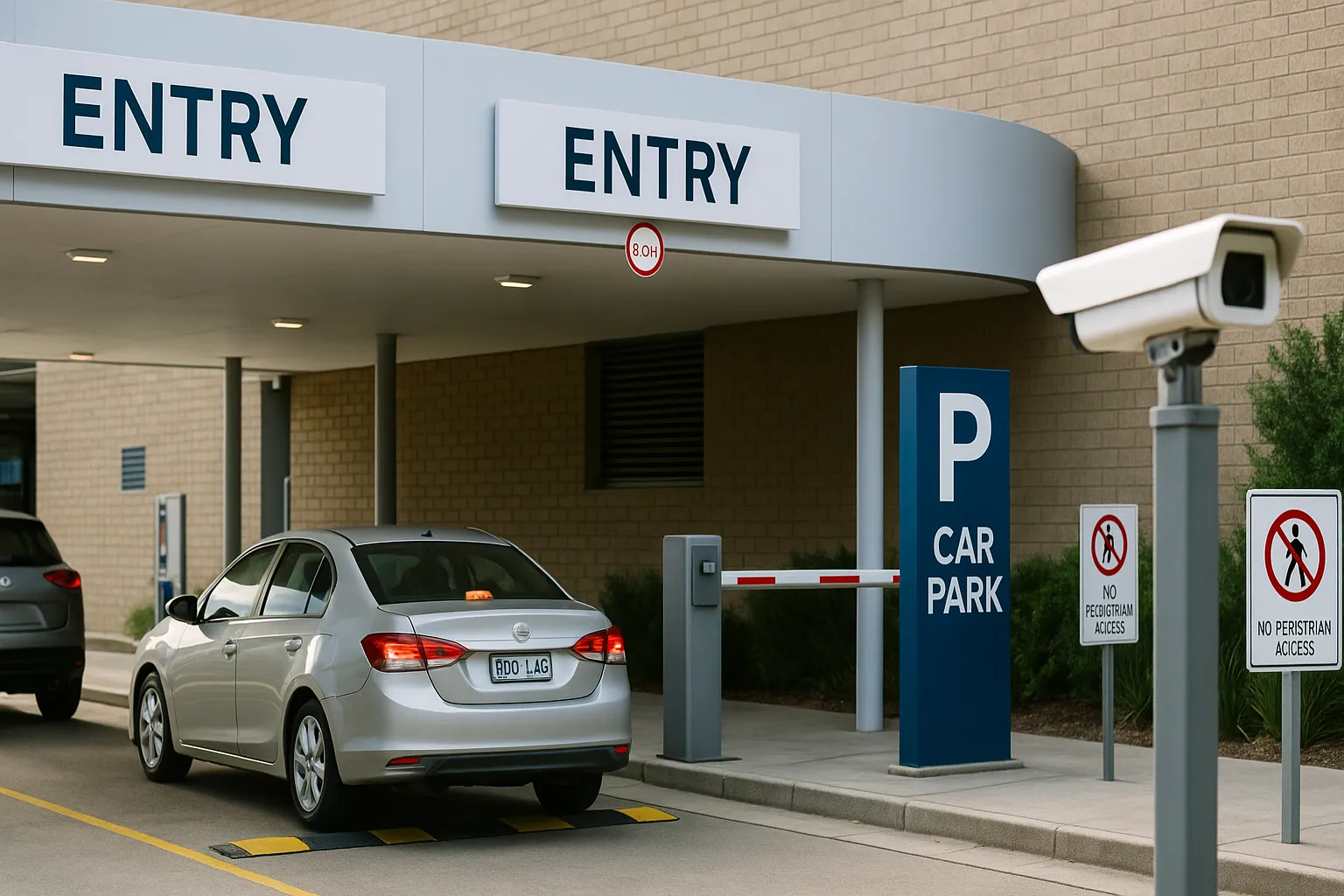
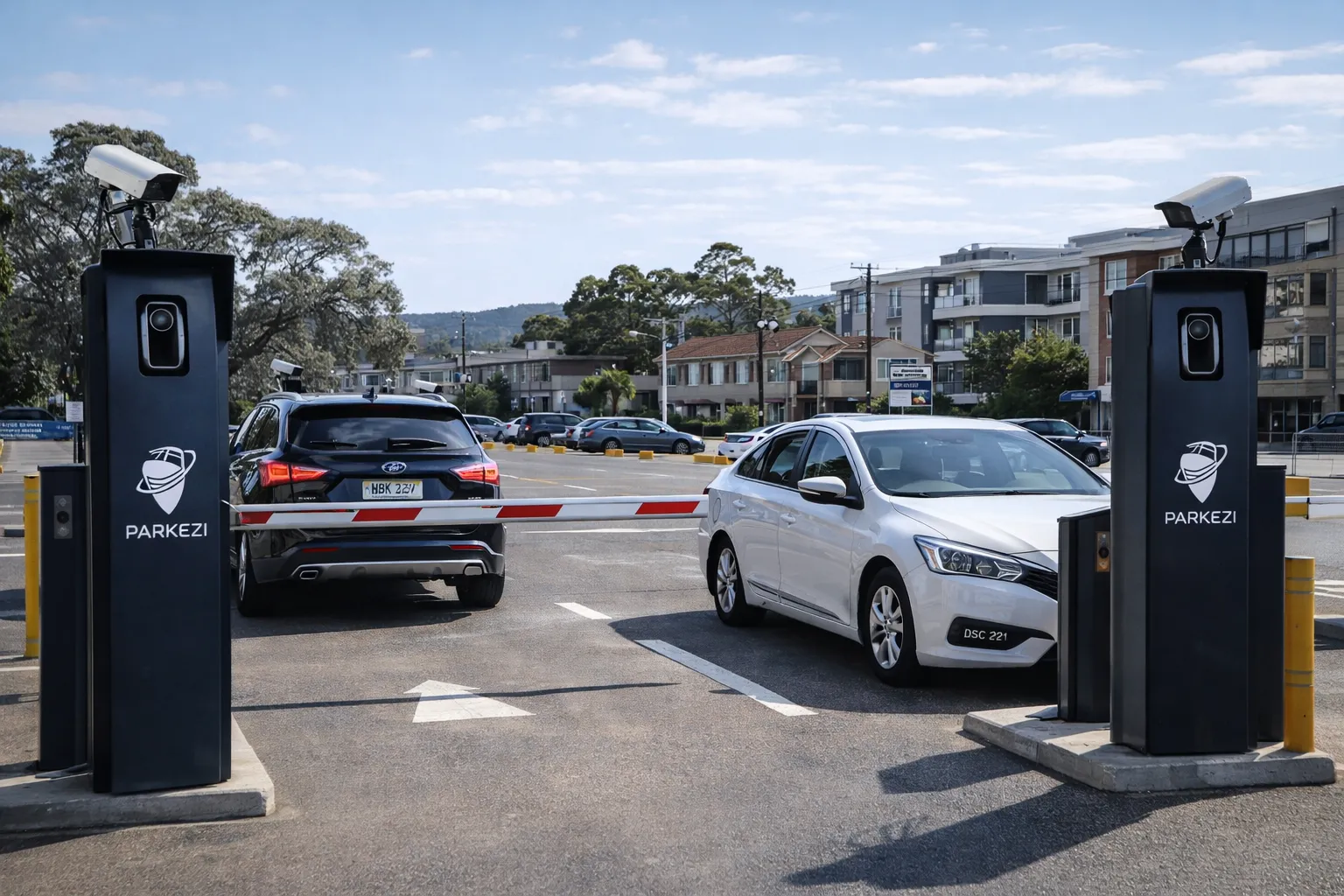
The more entry and exit lanes your site has, the more hardware and configuration is required. A small single-entry car park will naturally cost less than a large retail or hospital site with multiple access points.
Type of Technology Used
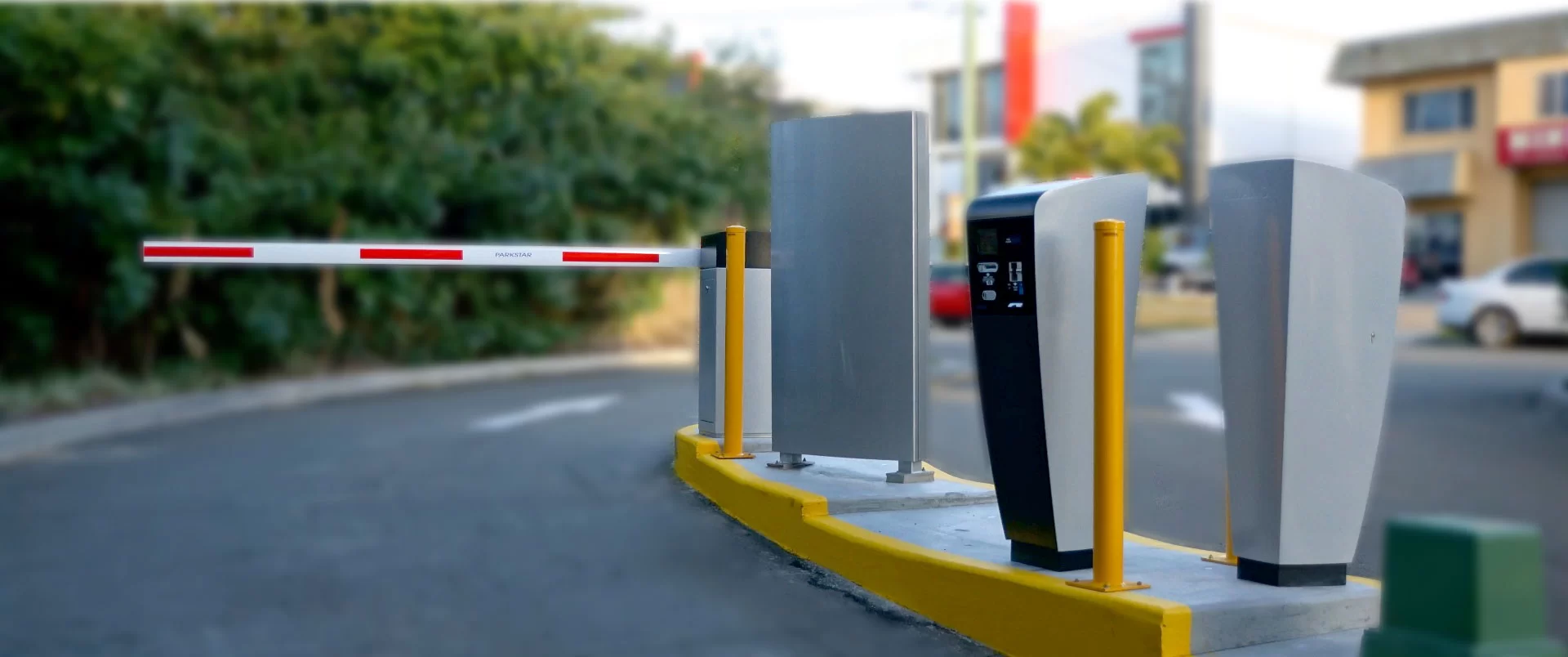
Traditional ticket-based systems typically require:
-
Ticket dispensers
-
Payment machines
-
Barriers
-
Ongoing maintenance
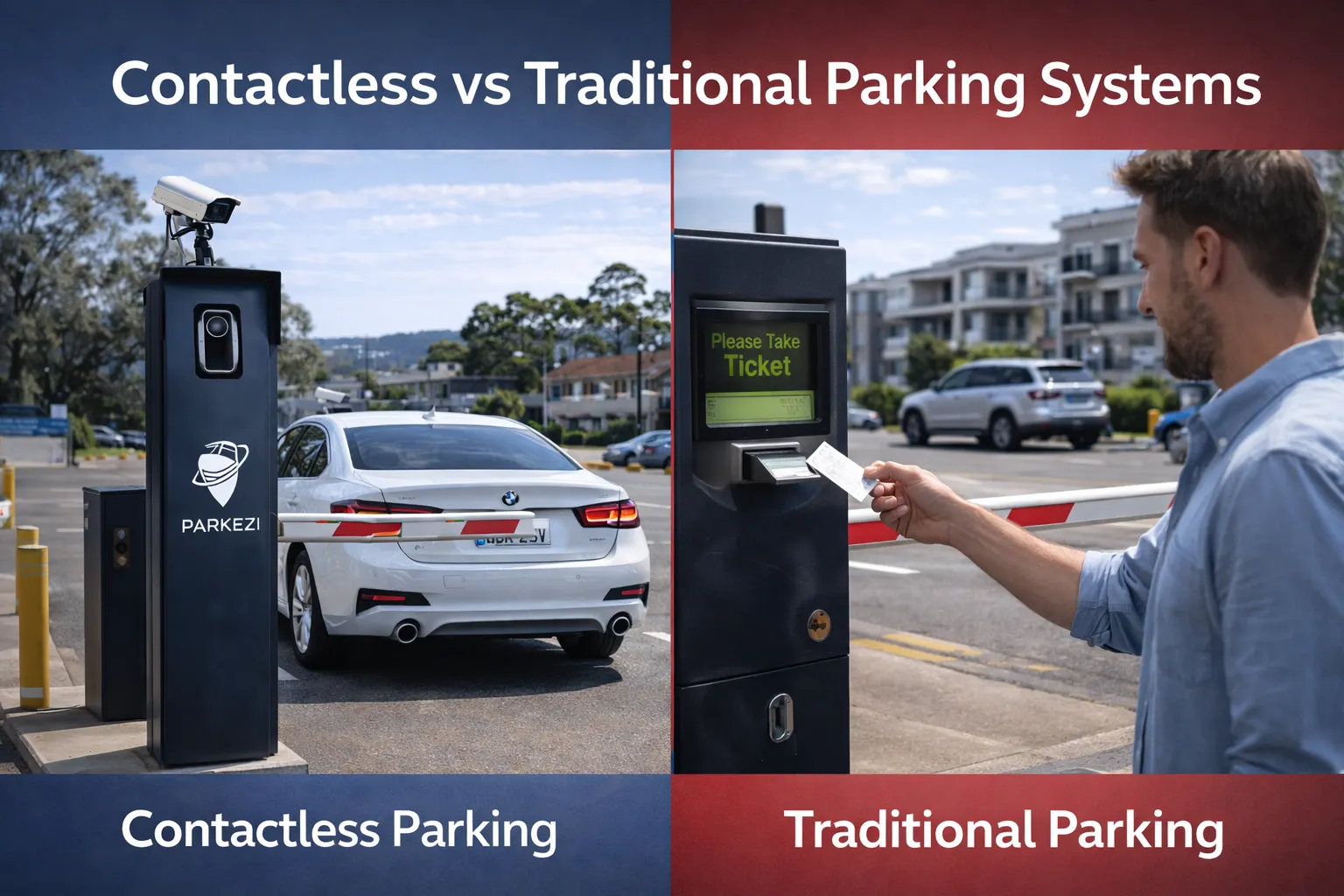
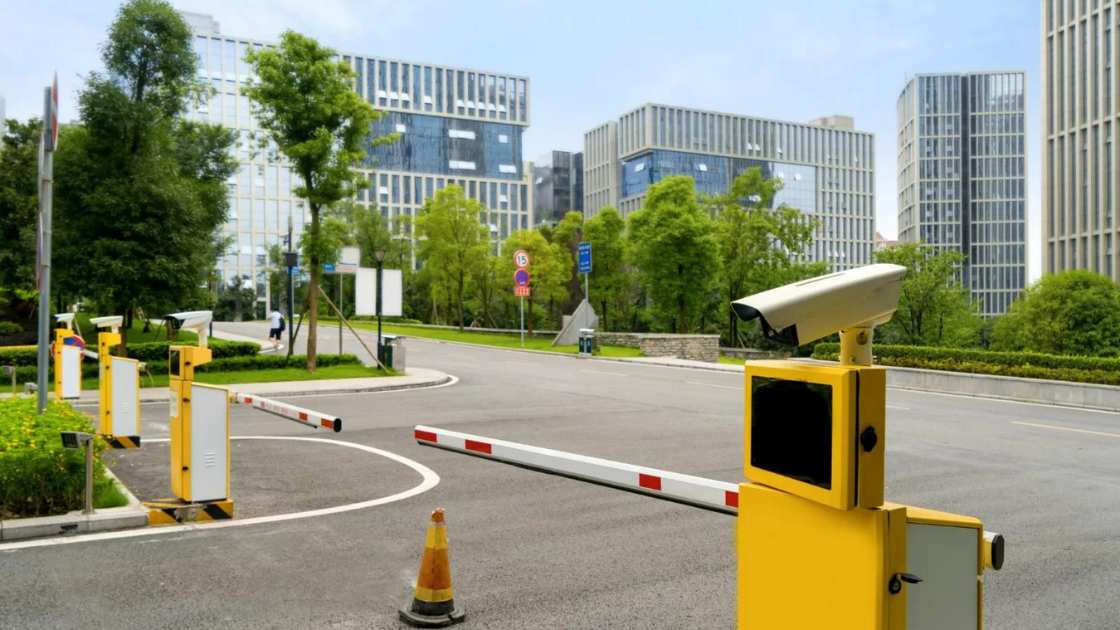
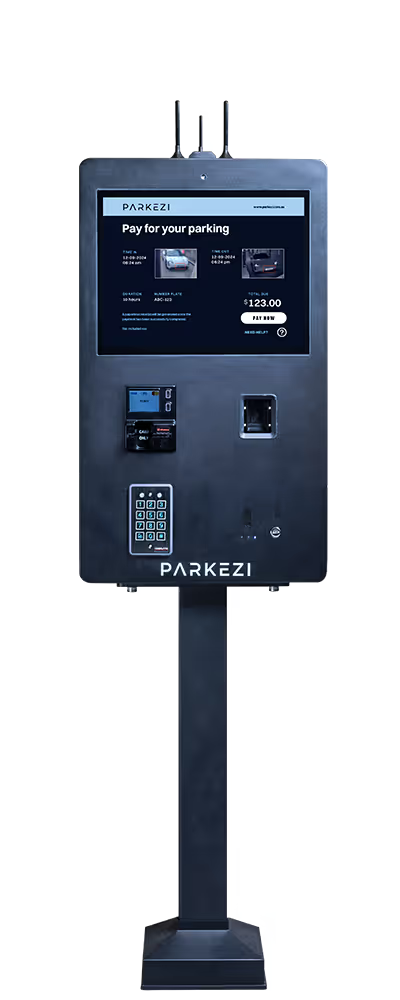
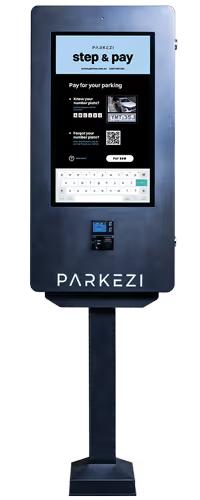
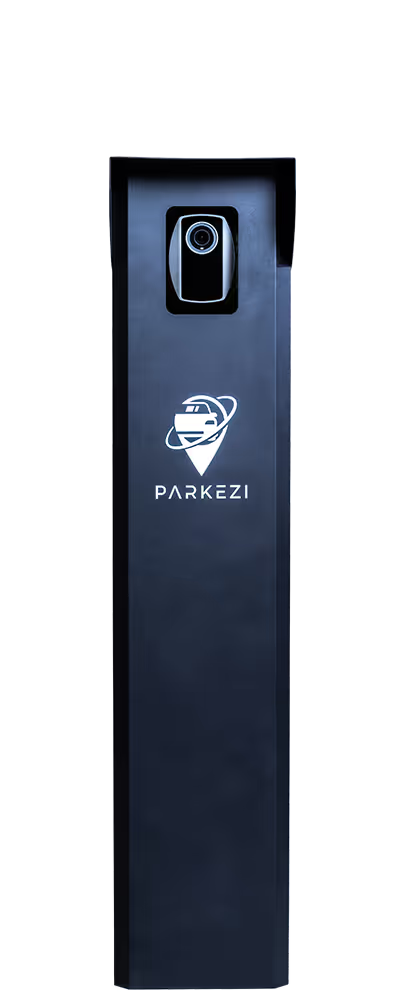
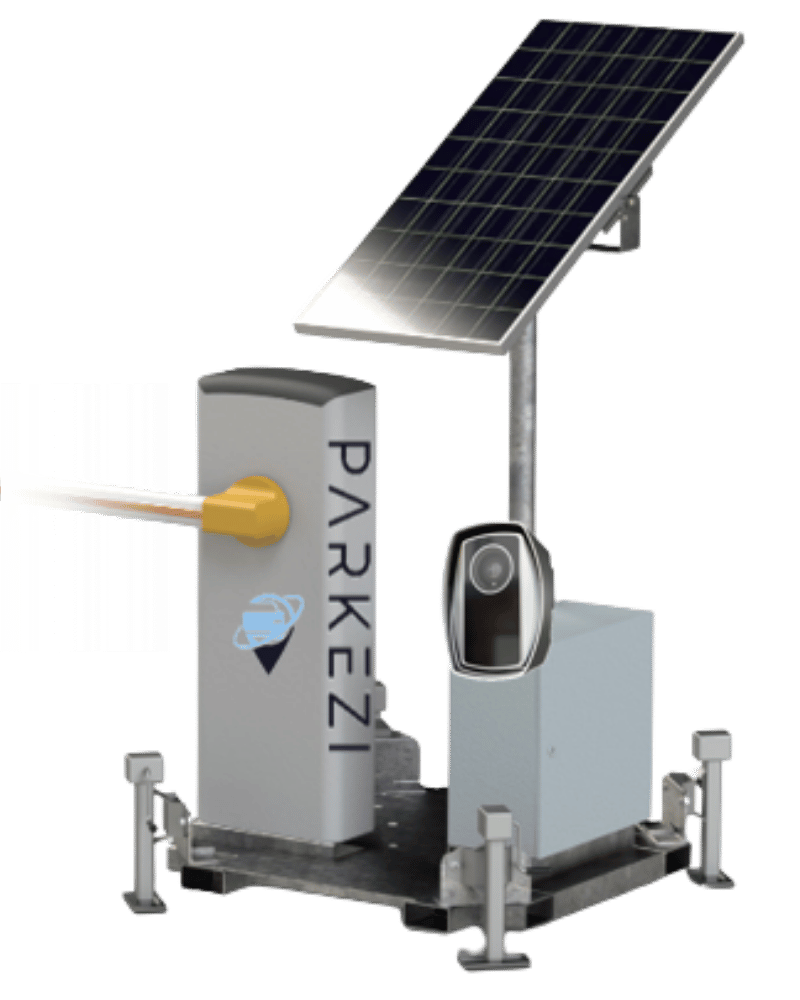
Modern parking automation systems often rely on ANPR cameras and cloud software instead, reducing the need for bulky hardware. While the upfront cost can differ, automated systems often cost less to maintain over time.
ANPR vs Traditional Parking Systems
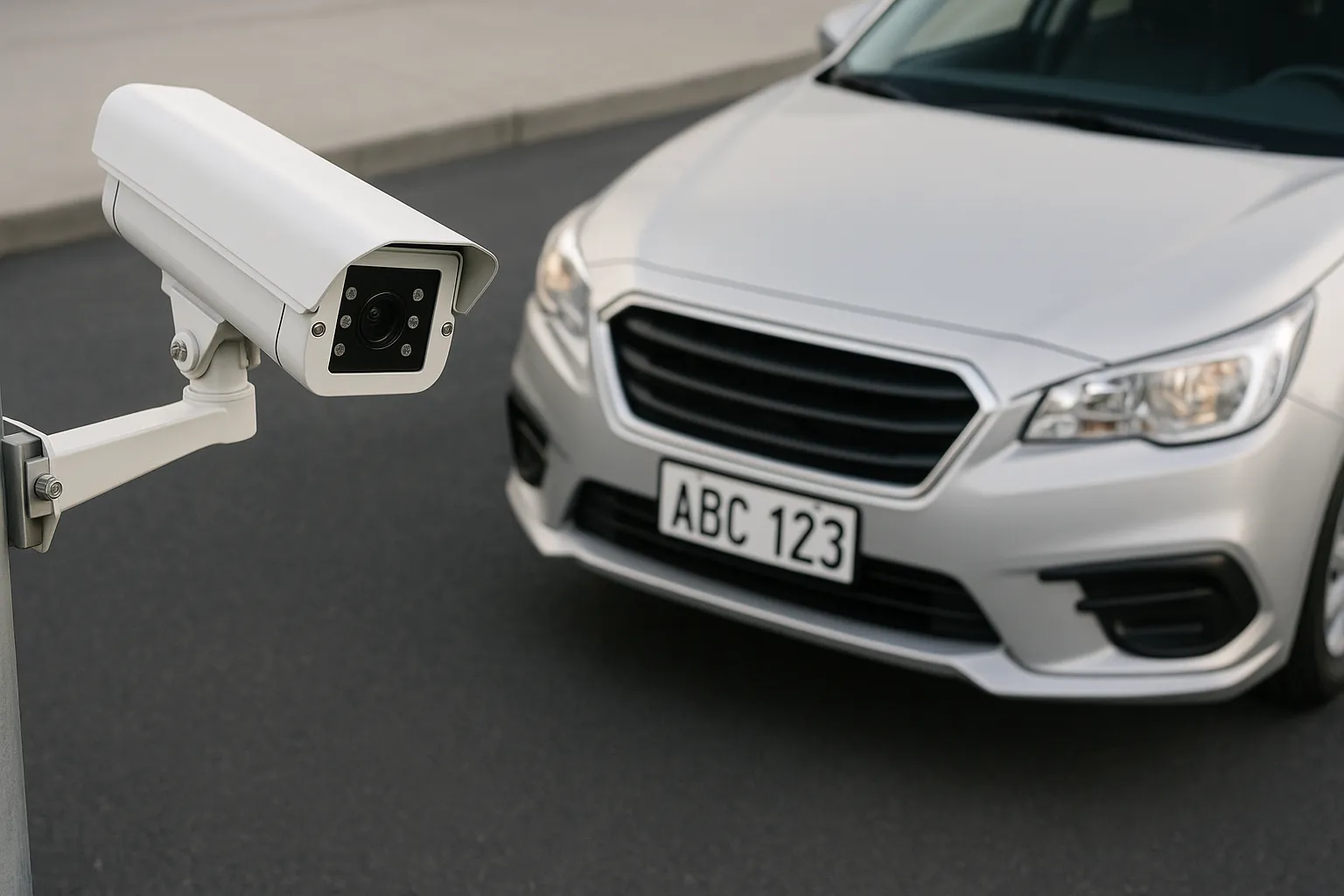
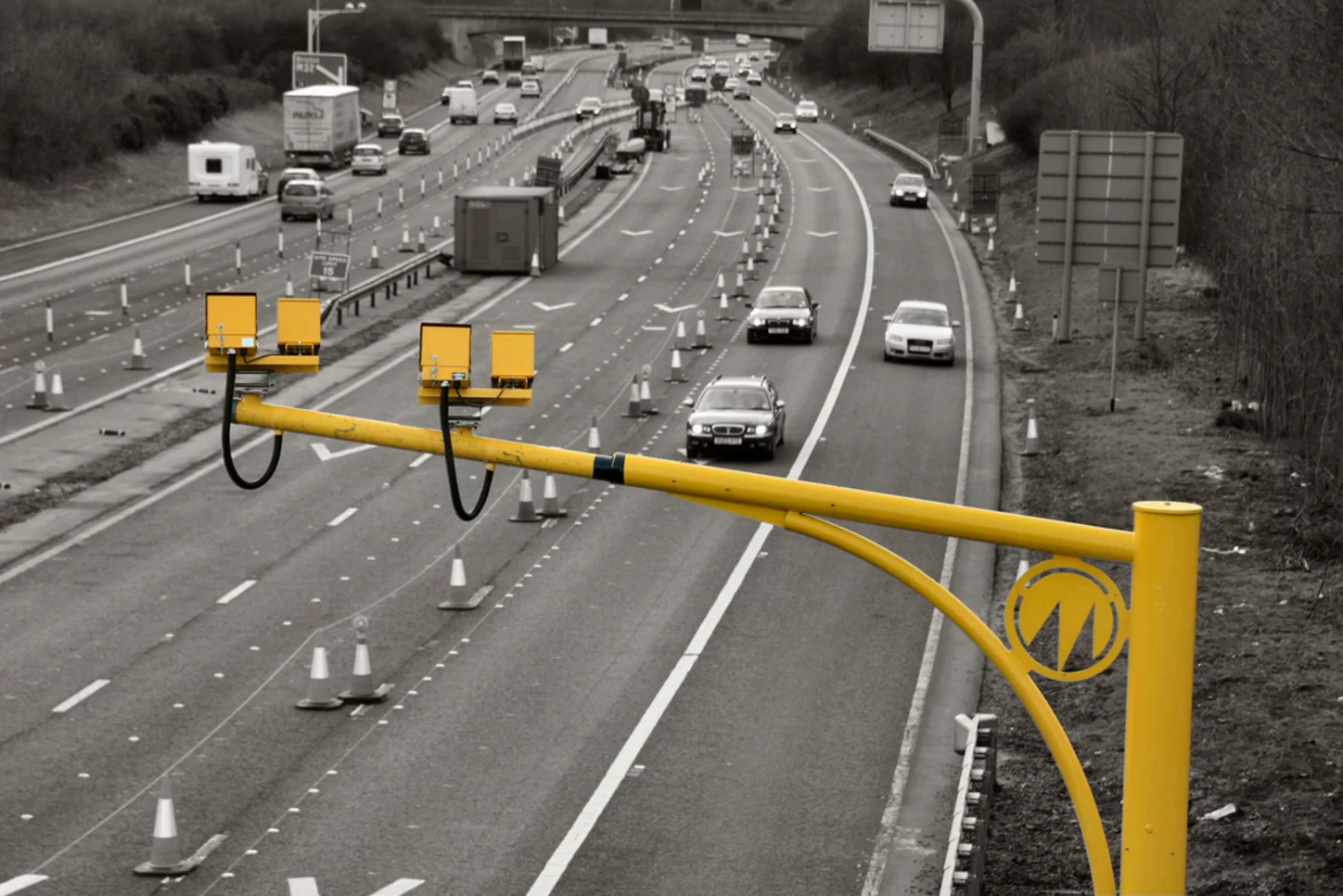
ANPR-based parking systems use licence plate recognition to manage access and payment. These systems remove the need for paper tickets and reduce the number of physical components on site.
From a cost perspective, ANPR systems often:
-
Lower maintenance expenses
-
Reduce downtime
-
Improve revenue accuracy
-
Scale more easily across multiple sites
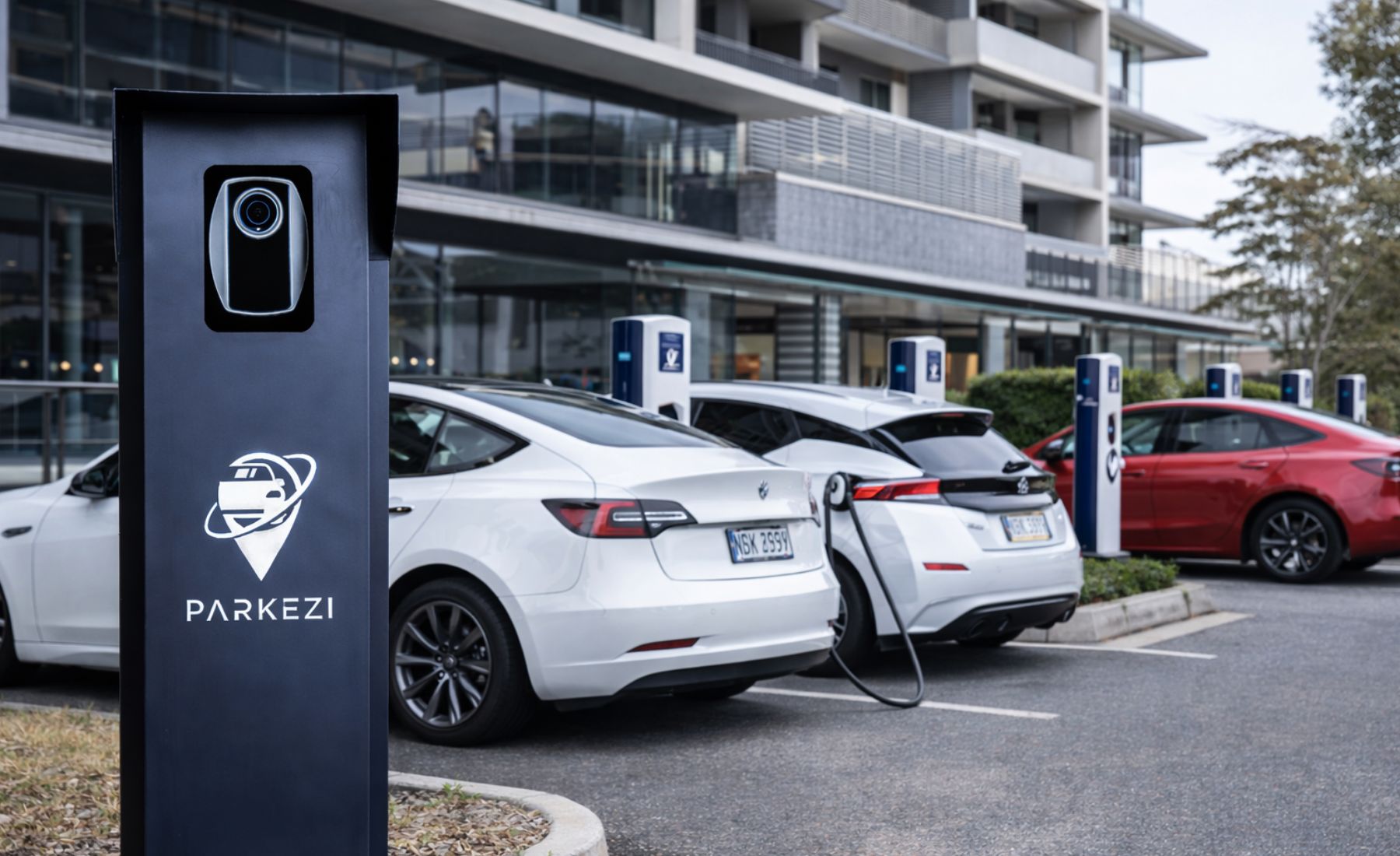
Parkezi specialises in ANPR-powered parking systems that balance upfront investment with long-term savings.
Installation and Setup Costs
Installation costs depend on:
-
Site layout
-
Existing infrastructure
-
Power and network availability
-
Hardware mounting requirements
Some sites require minimal work, while others need civil or electrical adjustments. A proper site assessment is the best way to understand installation costs accurately.
Parkezi provides tailored installations to suit each site, helping operators avoid unnecessary expenses.
Ongoing Costs to Consider
Beyond installation, it’s important to factor in ongoing costs such as:
-
Software access
-
System monitoring
-
Hardware servicing
-
Support and updates
One of the benefits of cloud-based parking systems is predictable ongoing costs and fewer surprise repairs. Systems with fewer moving parts generally require less maintenance and result in lower long-term spend.
Purchase vs Lease Models
Some operators prefer to purchase their system outright, while others opt for a lease or subscription model. Each approach has advantages.
Purchasing:
-
Higher upfront cost
-
Lower ongoing fees
Leasing:
-
Lower initial outlay
-
Predictable monthly costs
-
Easier upgrades over time
Parkezi offers flexible pricing options for parking depending on what suits your business model and budget.
Understanding the Real Return on Investment
The true cost of a parking automation system isn’t just what you pay upfront. It’s also what you save.
Many operators see ROI through:
- Reduced staffing requirements
- Lower maintenance costs
- Faster vehicle throughput
- Fewer disputes and revenue errors
- Improved customer satisfaction
When viewed over several years, modern parking automation systems often deliver strong financial and operational returns.
FAQs
1. Is there a standard price for a parking automation system in Australia?
There’s no single standard price, as every site is different and costs depend on factors like the size of the car park, the number of entry and exit points and how much existing infrastructure can be reused. Entry-level systems start from under $10,000, including an ANPR camera and boom gate and typically range from $50,000 - $60,000 for a two-way paid parking management system.
2. Is an ANPR-based system more expensive than a traditional ticket system?
Upfront costs can be similar, but ANPR systems often cost less over time. They typically require less maintenance, have fewer breakdowns and reduce manual handling, which can lead to better long-term value.
3. What ongoing costs should I expect after installation?
Ongoing costs may include software access, support and occasional hardware servicing. Cloud-based systems usually have predictable costs and fewer unexpected repairs compared to older ticket-based systems.
4. Can parking automation systems be leased instead of purchased?
Yes. Many operators choose a lease or subscription model to reduce upfront costs and spread investment over time. Parkezi offers flexible options depending on your operational and budget requirements.
5. How long does it take to see a return on investment?
This varies by site, but many operators see ROI relatively quickly through reduced maintenance costs, improved traffic flow and more accurate revenue collection.
Ready to Understand What Parking Automation Would Cost for Your Site?
Every car park is different, and the best way to understand costs is to look at your site’s layout, traffic patterns and operational needs. Whether you’re running a small private car park or managing multiple locations, the right system should work for your budget as well as your users.
Parkezi helps Australian operators assess their sites and recommend practical parking automation solutions that balance upfront cost with long-term value.
Get in touch with the Parkezi team to discuss your requirements and receive tailored advice for your facility.